How Weather Affects Flooring Installation: The Essential Guide

Overview
Understanding weather impacts flooring installation is crucial for success. Different materials react uniquely to temperature and humidity: hardwood expands in humidity, vinyl SPC is sensitive to temperature extremes, and laminate needs humidity control. Ideal installation times vary by season, with fall being best. Proper acclimation, monitoring humidity, and seeking professional help can mitigate weather-related issues. Regular maintenance is vital for longevity, and choosing the right flooring for your climate enhances durability.
Contents
When planning a flooring installation, most homeowners consider elements like design, materials, and cost. However, one critical factor that can dramatically influence the success of your project is the weather. It is essential to understand how different weather conditions can affect various types of flooring installation, including hardwood flooring, vinyl SPC flooring, and laminate flooring. In this guide, we’ll explore the impact of weather on flooring installation and provide helpful tips to ensure a successful outcome.
The Interaction Between Weather and Flooring Materials
Different flooring materials react differently to changes in temperature and humidity. Understanding these interactions can help you make informed decisions about your flooring installation.
Hardwood Flooring
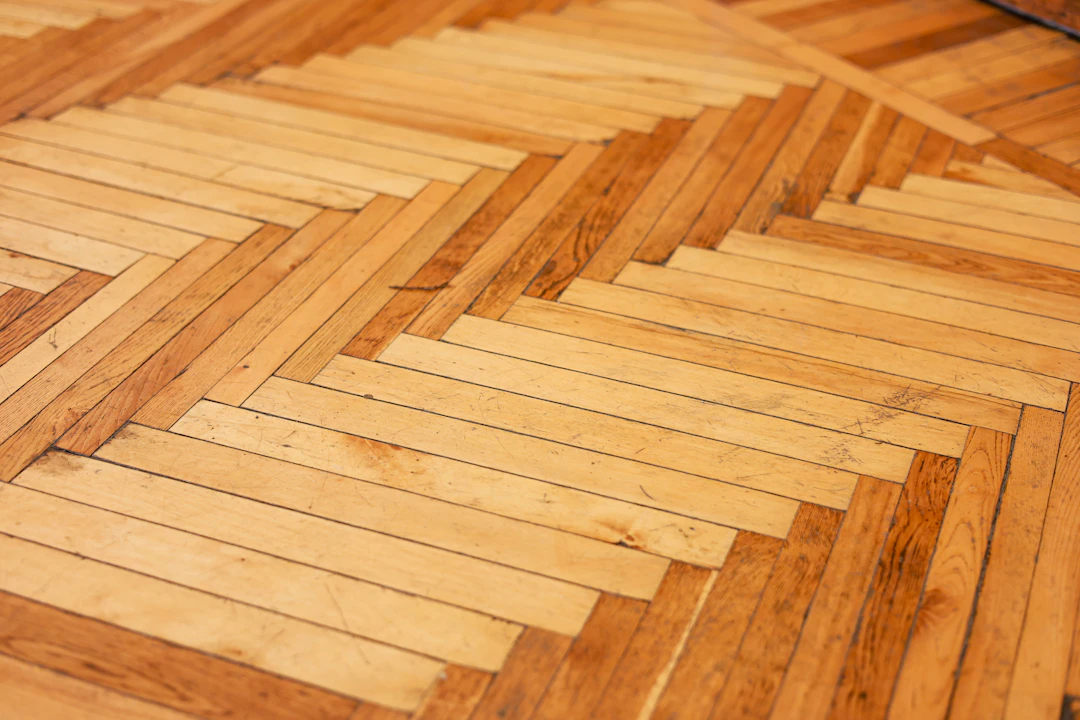
Hardwood flooring is one of the most beautiful and durable options available, but it is also highly prone to expansion and contraction due to fluctuations in temperature and humidity. During humid summer months, hardwood can absorb moisture from the air, causing it to swell. Conversely, in the dry winter months, the wood can contract, leading to gaps between planks.
Choose the right time of year for installation: Aim for a season when humidity levels are stable, typically early fall or late spring.
Acclimate your flooring: Before installation, allow the hardwood planks to acclimate in the room for several days to adjust to local conditions.
Vinyl SPC Flooring
Vinyl SPC (Stone Plastic Composite) flooring is known for its resilience and water resistance, making it a popular choice for kitchens and bathrooms. However, extreme temperatures can affect its installation. High temperatures might cause the vinyl to expand, while drastically low temperatures can cause it to contract.
Install at room temperature: Ensure that the installation environment is between 65°F and 85°F (18°C to 30°C).
Use proper underlayment: A quality underlayment can help mitigate temperature-related movement.
Laminate Flooring
Laminate flooring offers a budget-friendly alternative to hardwood and has excellent aesthetic appeal. However, similar to hardwood, laminates can be affected by humidity and temperature changes. Excessive moisture can warp the boards, while dry conditions can create gaps.
Monitor humidity levels: A humidity range of 30-50% is ideal for laminate flooring installations.
Allow for expansion space: When installing laminate flooring, ensure ample space is left along the edges to account for expansion.
How Seasonal Weather Changes Impact Flooring
Different seasons bring distinct weather patterns that can affect your flooring choices and installation timelines.
Summer
Summer often brings increased humidity, which can lead to challenges for both hardwood and laminate flooring. Higher humidity can cause the materials to expand, creating a possibility for buckling and gaps. Proper acclimatization and installation techniques become essential during this season.
Fall
Fall generally offers stable temperatures and humidity levels, making it a favorable time for flooring projects. It’s an ideal period for installing hardwood flooring as temperatures are mild. However, be cautious as the temperature begins to drop; adjusting your installation methods might be necessary.
Winter
Cold, dry winter air can lead to issues with both hardwood and laminate flooring. The risk of gaps and movement increases during this time, so ensuring proper humidity levels indoors through heating and humidifiers may be necessary. Skipping the installation of flooring during harsh winter conditions can save you from future headaches.
Spring
Spring can be erratic, with fluctuations in temperature and occasional rain. These conditions can complicate flooring installation, particularly for wooden materials. Ensuring that your flooring is properly acclimated and choosing a day with stable weather will help maintain quality installation.
Weather Considerations for Professional Installation
Hiring professionals for your flooring installation can alleviate many weather-related concerns, as they understand how to navigate the challenges that come with different conditions. A professional installation service will:
Evaluate and recommend the best installation times based on weather patterns.
Utilize proper techniques for acclimation prior to installation.
Provide valuable insights into maintaining your flooring post-installation.
If you are unfamiliar with professional flooring installation services, check out articles on Elevate Your Space: An Introduction To GTA Flooring Installation Services and Transform Your Space With GTA Flooring Installation Services for more information.
Preparation is Key: Weather-Related Tips for DIY Installation
If you are planning to install flooring yourself, preparation is crucial to account for weather changes. Here are some tips to help you succeed:
Check the weather forecast: Plan your installation around stable weather patterns, avoiding periods of high humidity or cold.
Store materials properly: Keep flooring materials in a climate-controlled area prior to installation to minimize their exposure to extreme conditions.
Use a moisture meter: To gauge the moisture levels in the subfloor and ensure they are within acceptable ranges for your flooring type.
Stay Grounded with Consistent Maintenance
To ensure the longevity and appearance of your flooring, continuous maintenance adapted to your specific climate conditions is essential. Implementing regular checks during seasonal transitions can help mitigate issues caused by rising or fall indoor humidity levels.
For instance, consider investing in products that provide insights into maintenance tailored to your climate. Evaluating your materials regularly and keeping them clean can help prolong their lifespan. You can learn more about flooring maintenance by checking out our blog post on How To Prepare For A Flooring Installation.
Choose the Right Flooring for Your Environment
When it comes to flooring, selecting the right type for your environment can have a lasting impact. Depending on your local climate, one material may be better suited for your home than another. For example:
Hardwood Flooring: Beautiful but requires careful humidity control and is best suited for areas with stable climates.
Vinyl SPC Flooring: Resistant to water and humidity changes, making it a versatile choice for most areas.
Laminate Flooring: A great budget option that requires careful humidity monitoring to avoid warping.
If you're navigating which flooring type to choose for your home based on your location, take a look at our comparative guide on Unveiling The Best Flooring Choice: The Ultimate Vinyl Vs Laminate Showdown.
Final Thoughts on Weather and Flooring Installation
Understanding how weather affects flooring installation is crucial for achieving a successful result. Whether you're installing hardwood flooring, vinyl SPC flooring, or laminate flooring, being proactive and informed about environmental factors will help you avoid future complications. Don’t forget the importance of seasonal maintenance to protect your investment and enjoy your beautiful flooring for years to come.
To help you prepare for fluctuations in weather conditions, check out our product page for insights on sizing and care essential for weather considerations I'm a product. This will provide valuable information to assist you during your flooring journey.
Incorporating knowledge and preparation into your flooring installation process will lead to a successful and satisfying transformation of your space!
Explore these flooring options to suit your installation needs. I'm a product and I'm a product.
Related Products
I'm a product - C$85.00 - I'm a product description. I'm a great place to add more details about your product such as sizing, material, care instructions and cleaning instruct...
I'm a product - C$85.00 - I'm a product description. I'm a great place to add more details about your product such as sizing, material, care instructions and cleaning instruct...
I'm a product - C$25.00 - I'm a product description. I'm a great place to add more details about your product such as sizing, material, care instructions and cleaning instruct...
FAQs
How does weather impact hardwood flooring installation?
Weather can cause hardwood to expand in humid conditions and contract in dry conditions, leading to gaps or buckling.
What is the ideal temperature range for installing vinyl SPC flooring?
The ideal temperature range for installing vinyl SPC flooring is between 65°F to 85°F (18°C to 30°C).
What humidity level is best for laminate flooring installation?
A humidity range of 30-50% is ideal for laminate flooring installations.
When is the best season for flooring installation?
Early fall and late spring are typically the best seasons for flooring installation due to stable temperature and humidity levels.
What should I do to prepare for DIY flooring installation regarding weather?
Check the weather forecast, store materials in a climate-controlled area, and use a moisture meter to gauge subfloor moisture levels.