How to Incorporate Radiant Heat into Your Flooring

Overview
Radiant heating integrated with flooring offers comfort and energy efficiency. It can be installed under various flooring types like hardwood, vinyl SPC, and laminate. Benefits include even heat distribution, improved air quality, and design flexibility. Proper installation and maintenance are crucial for optimal performance. Consider professional help and quality materials for the best results.
Contents
If you're considering upgrading your home's heating system and flooring, radiant heating can be a game-changer. This innovative technique integrates heating with your flooring—creating a comfortable and aesthetically pleasing environment. Whether you’re going for hardwood flooring, vinyl SPC flooring, or laminate flooring, incorporating radiant heat into your floors offers numerous benefits. This article explores how to effectively integrate radiant heating with various types of flooring, ensuring a cozy home all year round.
Understanding Radiant Heating
Radiant heating operates by warming surfaces directly rather than relying on air circulation. This system can be installed under different types of flooring, including:
Hardwood Flooring
Vinyl SPC Flooring
Laminate Flooring
There are two common types of radiant heating systems: electric and hydronic. Electric systems use cables to generate heat, while hydronic systems circulate hot water through pipes. Both options can be effective and are favored for their energy efficiency and comfort.
Benefits of Radiant Heat Under Flooring
Incorporating radiant heat into your flooring brings a host of advantages:
Energy Efficiency: Radiant heating operates at a lower temperature than traditional heating methods, leading to reduced energy bills.
Even Heat Distribution: Unlike traditional heating methods, radiant heat provides consistent warmth throughout a room, eliminating cold spots.
Design Flexibility: You can choose from a variety of flooring options, such as hardwood flooring, vinyl SPC flooring, or laminate flooring, without compromising comfort.
Improved Air Quality: Radiant heating reduces the circulation of dust and allergens, promoting healthier indoor air.
Choosing the Right Flooring for Radiant Heat
When planning to incorporate radiant heat into your flooring, it’s crucial to choose the right material that is compatible with this heating method. Here’s how hardwood, vinyl SPC, and laminate flooring measure up:
Hardwood Flooring
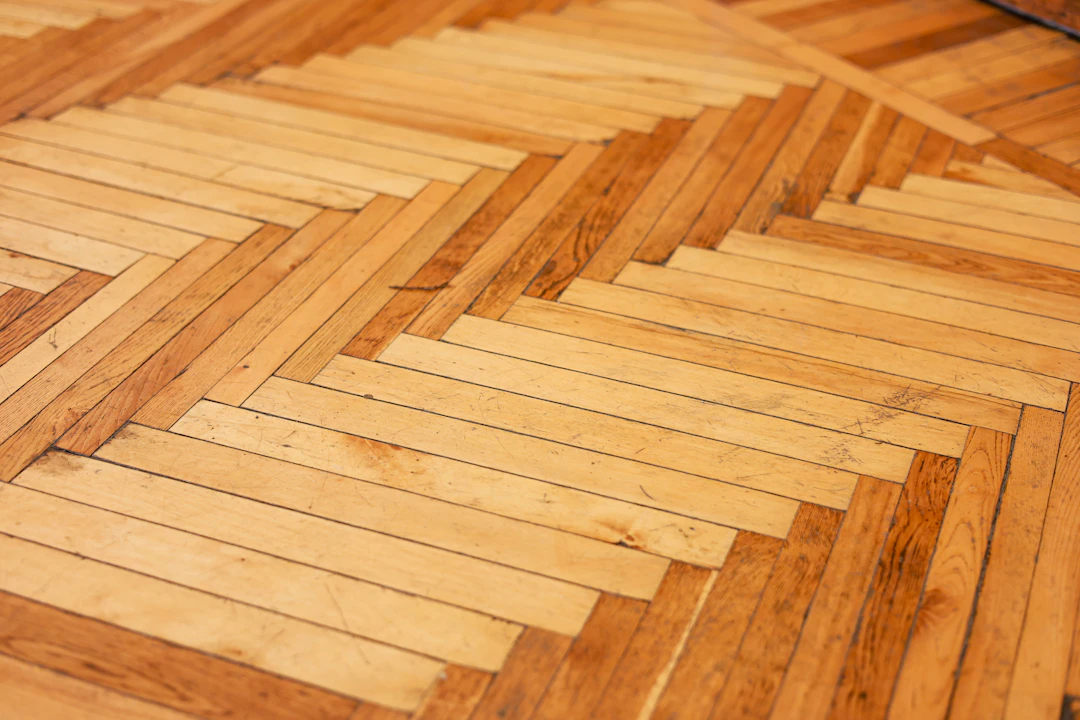
Hardwood flooring is a popular choice for many homeowners. It can be used with radiant heat but requires careful installation. Engineered hardwood is usually a better choice than solid hardwood due to its enhanced stability. Properly managing temperature is crucial; it's essential to keep the heat settings low to avoid damaging the wood.
Vinyl SPC Flooring
Vinyl SPC (Stone Plastic Composite) flooring is one of the best options for radiant heating. This type of flooring can withstand the heat without warping or buckling, making it a practical choice. Additionally, it’s available in various styles and textures, allowing for creative flooring designs that fit any décor.
Laminate Flooring
Laminate flooring can also be used with radiant heating systems, but it’s essential to ensure that the laminate is rated for use with such systems. Thicker laminates generally perform better under radiant heat, ensuring durability and minimized heat loss. Before installing, it’s wise to check the manufacturer's recommendations.
Installation Tips for Radiant Heating with Flooring
Integrating radiant heating into your flooring isn't a straightforward process—it requires planning and execution. Here are some essential tips to ensure a successful installation:
Consult Professionals
Engaging with professionals for your flooring installation can offer peace of mind. Their expertise can help you navigate the complexities of radiant baseboard designs and local building codes. Learn more about the benefits of professional installation by visiting our article on The Benefits Of Professional Flooring Installation Services.
Plan Your Layout Carefully
Before installing radiant heat, consider the layout of your space. Ensure that furniture placement and heavy items won't obstruct heated areas. This will maximize your comfort and the efficiency of your heating system.
Choose Quality Materials
Using high-quality materials for both the heating system and flooring will ensure longevity and optimal performance. Make sure the flooring material is rated for radiant heating application.
Control Settings Wisely
It’s important to use a thermostat to regulate the temperature of your radiant heat system. A programmable thermostat can help maintain an optimal temperature, further enhancing the energy efficiency of your home.
Maintenance of Radiant Heated Flooring
Caring for radiant heated flooring involves unique considerations. Regular maintenance helps prolong the lifespan of both your flooring and heating system:
Keep It Clean: Use a vacuum or soft broom to remove dust and debris. For deeper cleaning, use a damp cloth or mop with a gentle cleaner.
Check for Damage: Periodically inspect your heating system and flooring for any signs of damage or wear. Early detection can prevent significant issues.
Monitor Temperature Levels: Regularly check the settings on your thermostat to ensure your heating system operates effectively.
Maximizing Your Home's Potential
Radiant heated flooring is more than just a comfort feature; it's an investment in your home's value and livability. The combination of radiant heating with high-quality flooring can enhance the ambiance of your space while keeping your energy costs in check. If you're looking to further enhance your flooring setup, consider exploring other products that can complement your newly heated floors. For example, our great option for enhancing flooring setups at an affordable price may interest you.
Embarking on a flooring project involves many considerations, from choosing the right material to ensuring you integrate radiant heating effectively. Knowledge and preparation are key to achieving a successful outcome, whether you're working with hardwood flooring, vinyl SPC flooring, or laminate flooring. By following the tips shared in this article, you can enjoy a radiant, cozy home for years to come.
Ultimately, the harmony between function and style should guide your decisions. Whether you're adopting radiant heat or upgrading your flooring, the journey shapes your living environment and enhances your daily experiences. Remember, every detail counts in transforming your space into a sanctuary of warmth, comfort, and aesthetic appeal!
Explore these products to enhance your radiant heating experience. I'm a product and I'm a product.
Related Products
I'm a product - C$85.00 - I'm a product description. I'm a great place to add more details about your product such as sizing, material, care instructions and cleaning instruct...
I'm a product - C$20.00 - I'm a product description. I'm a great place to add more details about your product such as sizing, material, care instructions and cleaning instruct...
I'm a product - C$7.50 - I'm a product description. I'm a great place to add more details about your product such as sizing, material, care instructions and cleaning instruct...
FAQs
What is radiant heating and how does it work?
Radiant heating operates by warming surfaces directly instead of relying on air circulation, providing consistent warmth throughout a room.
What types of flooring can be used with radiant heating?
Radiant heating can be incorporated with hardwood flooring, vinyl SPC flooring, and laminate flooring.
What are the benefits of incorporating radiant heat under flooring?
Benefits include energy efficiency, even heat distribution, design flexibility, and improved air quality.
What should I consider when choosing flooring for radiant heat?
It's important to select a flooring material that is compatible with radiant heating and recommended by manufacturers, especially for hardwood and laminate options.
How should I maintain radiant heated flooring?
Regular maintenance includes keeping the area clean, checking for damage, and monitoring temperature levels to ensure optimal performance.