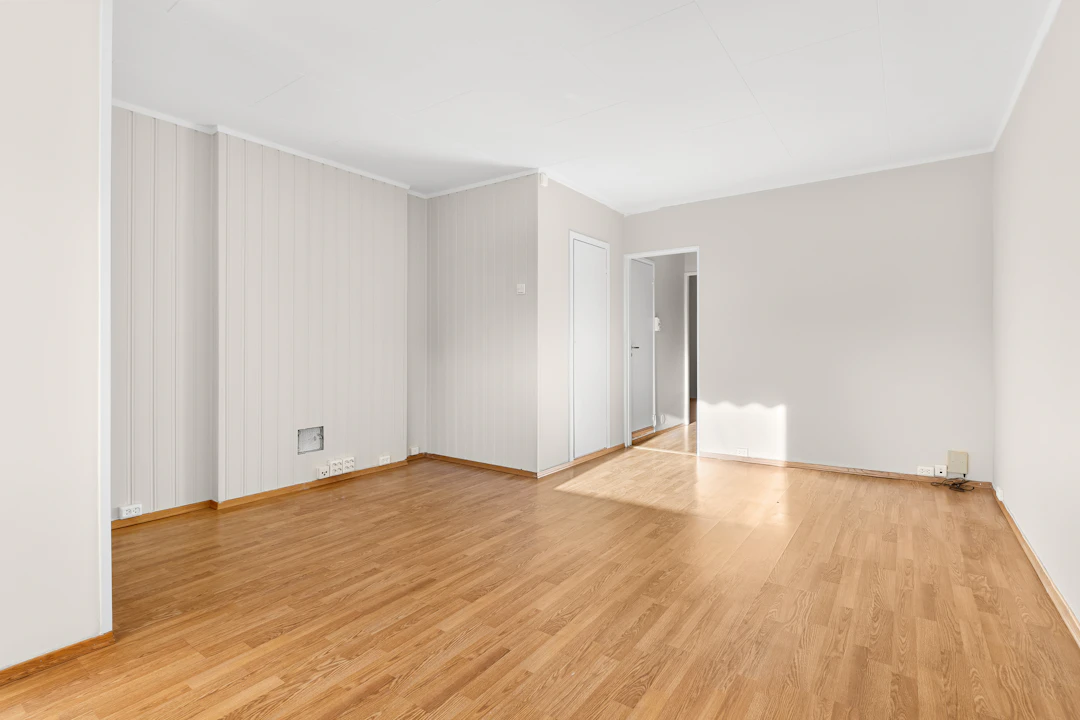
Unlocking the Secrets of Flooring Warranties and Guarantees

Overview
Understanding flooring warranties is crucial for making informed purchasing decisions. This guide covers the differences between warranties and guarantees, types of warranties for hardwood, vinyl SPC, and laminate flooring, and the importance of knowing your warranty protections. It also provides steps to choose the right flooring and how to make a warranty claim, ensuring your investment is safeguarded.
Contents
When investing in flooring, it's essential to understand the warranties and guarantees that come with your purchase. Flooring can set the tone for your home or business, and knowing what protections you have in place is crucial for making an informed decision. In this comprehensive guide, we'll break down everything you need to know about hardwood flooring, vinyl SPC flooring, and laminate flooring warranties, so you can choose the best flooring solutions for you.
What Are Flooring Warranties and Guarantees?
Flooring warranties and guarantees are promises made by manufacturers or sellers about the performance, durability, and longevity of a flooring product. These documents serve to protect consumers against defects and other issues that could arise after installation. Essentially, they give buyers peace of mind, knowing that if something goes wrong, there is recourse available.
Key Differences Between Warranties and Guarantees
Warranties: These are written promises that cover specific defects in workmanship or materials. They usually have set terms for coverage, such as a certain number of years, and can vary based on the type of flooring material.
Guarantees: Guarantees are typically broader and may assure the buyer that the flooring will meet or exceed certain performance standards. They may not be as detailed as warranties but often signify a manufacturer's confidence in their product.
The Importance of Warranties in Flooring Purchases
Flooring can be a significant investment, and understanding the warranty associated with your chosen type—whether it's hardwood flooring, vinyl SPC flooring, or laminate flooring—is key to protecting that investment. A solid warranty not only safeguards you against defects but also speaks volumes about the manufacturer’s commitment to quality.
Here are some reasons why warranties are crucial:
Financial Protection: A good warranty can save you money if repairs or replacements are needed due to manufacturer defects.
Quality Assurance: Warranties are often an indicator of the quality of the product. A longer warranty typically signifies the manufacturer's confidence in their flooring.
Support for Installation: Many warranties may also cover improper installation, which is an essential consideration for homeowners.
Increased Resale Value: Having quality flooring backed by a strong warranty can boost your property’s resale value, as potential buyers will appreciate the assurance of durability.
Types of Flooring Warranties
Understanding the various types of warranties available for flooring can help you make better purchasing decisions. Here are the most common types you’ll encounter:
1. Manufacturer's Warranty
This is the most common type of warranty and is offered directly from the manufacturer. It typically covers defects in materials and workmanship for a specific period, which can range from a few years to a lifetime. Pay attention to stipulations regarding things like wear, fading, and water damage, depending on the material of your flooring.
2. Residential vs. Commercial Warranties
The type of warranty can vary greatly depending on whether the flooring is intended for residential or commercial use. Commercial warranties may have stricter guidelines and shorter coverage periods due to the high traffic and wear they might experience.
3. Limited Warranty
A limited warranty covers specific conditions and defects but may exclude normal wear and tear, environmental damages, or mishandling. Always read the fine print to know what is covered and not covered under this type of warranty.
4. Lifetime Warranty
Many manufacturers offer lifetime warranties. However, “lifetime” can be misleading. Sometimes this means the warranty is valid as long as you own the home. It’s essential to clarify the specific terms to ensure you fully understand the extent of coverage.
Flooring Specific Warranties
Each type of flooring comes with different warranty stipulations. Here, we’ll focus on hardwood flooring, vinyl SPC flooring, and laminate flooring.
Hardwood Flooring Warranties
Hardwood flooring warranties typically address issues such as splitting, warping, and defects in materials. It’s essential to note any exclusions related to moisture damage or failure to follow manufacturers' guidelines during installation.
Structural Warranty: This usually covers defects in the actual boards for a specific timeframe.
Finish Warranty: Covers the finish applied to the hardwood, often limited to a set number of years.
Vinyl SPC Flooring Warranties
Vinyl SPC flooring is renowned for its durability and resistance to moisture. Warranties for vinyl SPC often cover wear layers and can include promises against fading and stains. Manufacturers may also provide separate warranties for the vinyl's core and surface layers.
Wear Warranty: Typically covers the thickness of the wear layer and its durability under foot traffic.
Water Resistance Warranty: Addresses moisture-related issues, crucial for areas like kitchens and bathrooms.
Laminate Flooring Warranties
Laminate flooring warranties commonly focus on the product's resistance to wear, fading, and other potential issues. Manufacturers often offer different warranties for various components, such as the core and the surface.
Wear Warranty: Guarantees that the laminate surface will hold up against scratches and wear over a specified period.
Structural Warranty: Covers the integrity of the panels, ensuring they won’t warp or delaminate under proper conditions.
How to Make a Claim on Your Flooring Warranty
If you encounter issues with your flooring and believe you have a valid claim under your warranty, here's a step-by-step guide:
Document the Issue: Take clear photographs and gather any relevant information about the problem.
Check Your Warranty: Review the terms of your warranty to ensure the issue is covered.
Contact the Retailer: Reach out to the store where you purchased the flooring to start the claims process, providing them with the necessary documentation.
Follow Up: Don’t hesitate to follow up on your claim, as these processes can take time.
Installation Consideration: If a professional installed your flooring, remember to include their information, as they may have to corroborate your claim.
Steps to Choose the Right Flooring for Your Space
Now that you’re armed with information about warranties and guarantees, how do you choose the best flooring for your project? Here are some steps to consider:
1. Evaluate Your Needs
Think about where you will be installing the flooring. High-traffic areas, moisture-prone spaces like kitchens or bathrooms, and aesthetic preferences all play a role in your decision-making process.
2. Research Materials
Understand the pros and cons of hardwood flooring, vinyl SPC flooring, and laminate flooring. Each comes with its unique advantages that may suit your needs better than the others.
3. Compare Warranties
When looking at different flooring options, pay attention to the warranties. Consider the duration and the specific coverage offered to ensure you are getting the best protection for your investment.
4. Installation Requirements
Look for warranties that include clauses on the quality of installation. Often, improper installation can nullify a warranty, so it’s crucial to ensure that any work done is executed according to the manufacturer's guidelines.
5. Read Customer Reviews
Check customer feedback regarding the performance and durability of various flooring types. Reviews can provide insight into actual experiences with flooring products and their warranties.
Final Thoughts for Aspiring Homeowners
Understanding the ins and outs of flooring warranties and guarantees is essential for anyone looking to enhance their home with hardwood flooring, vinyl SPC flooring, or laminate flooring. By arming yourself with knowledge about what protections are available, you not only safeguard your investment but also ensure that your flooring will provide lasting value. Take your time to research various options and make an informed choice that aligns with both your style and practical needs. After all, the right flooring can transform a space and stand the test of time, and having the right warranty provides that additional peace of mind.
FAQs
What are flooring warranties and guarantees?
Flooring warranties and guarantees are promises made by manufacturers or sellers regarding the performance, durability, and longevity of a flooring product. They protect consumers against defects and other related issues after installation.
What is the difference between a warranty and a guarantee?
Warranties are written promises that cover specific defects in workmanship or materials for a set time, while guarantees are broader assurances that the flooring will meet certain performance standards.
Why are warranties important for flooring purchases?
Warranties provide financial protection, assurance of quality, support for installation issues, and can increase the resale value of your property by confirming the durability of the flooring.
What types of warranties can I find for flooring?
Common types of warranties include manufacturer's warranty, residential vs. commercial warranties, limited warranties, and lifetime warranties, each with specific coverage and terms.
How do I make a claim on my flooring warranty?
To make a warranty claim, document the issue with photos, check your warranty coverage, contact the retailer where you purchased the flooring with necessary documentation, follow up on your claim, and include information from any professional installers.