Understanding the Cost of Flooring Installation: Your Guide to Budgeting and Planning

Overview
Choosing the right flooring is crucial for home renovations, impacting both aesthetics and functionality. Key factors affecting installation costs include flooring type, installation method, labor costs, site preparation, and material quality. Popular options include hardwood (expensive but durable), vinyl SPC (budget-friendly and waterproof), and laminate (affordable and easy to install). Accurate budgeting and professional installation can maximize value and satisfaction with your flooring project.
Contents
When it comes to renovating or upgrading your home, one of the most significant decisions you’ll face is choosing the right flooring. It's a crucial element that impacts both the aesthetic appeal and functionality of your space. However, before you dive headfirst into this decision, understanding the associated costs of flooring installation is key. In this comprehensive guide, we’ll explore the various factors that affect flooring installation costs, dive into different types of flooring—such as hardwood flooring, vinyl SPC flooring, and laminate flooring—and provide you with tips on budgeting effectively for your project.
The Importance of Flooring in Your Home
Your flooring sets the tone for your interiors. It not only influences visual appeal but also contributes to the comfort, maintenance, and durability of your living space. The right flooring can enhance your home’s value, while the wrong choice can lead to costly replacements down the line. Therefore, it’s critical to do thorough research on different flooring types and their installation costs.
Factors Affecting Flooring Installation Costs
The cost of flooring installation can vary widely based on several factors. Here’s what you need to consider:
Type of Flooring: The material you choose plays a significant role in determining the overall cost. Hardwood flooring is generally more expensive than vinyl SPC flooring or laminate flooring due to its premium materials and high-end appeal.
Installation Method: Some types of flooring are easier and quicker to install than others. For instance, interlocking laminate flooring can often be a DIY project, while hardwood flooring typically requires professional installation.
Labor Costs: Different regions and contractors will have varying labor rates. It's advisable to get quotes from several professionals to get a fair understanding.
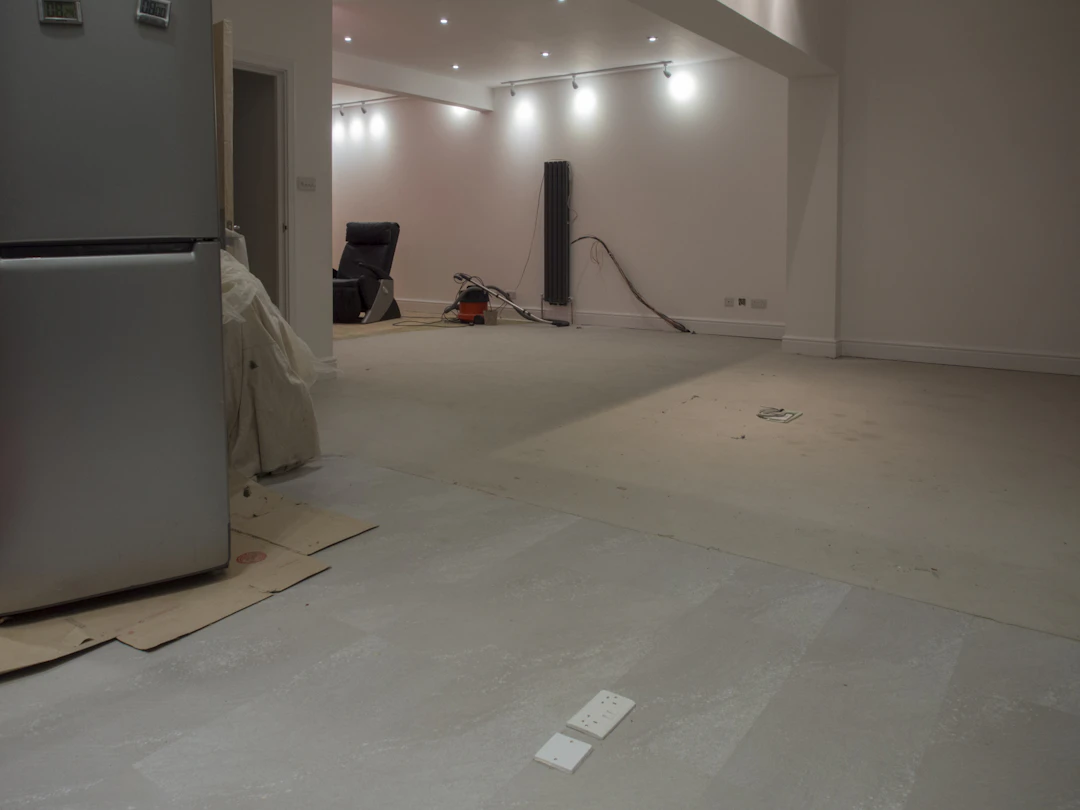
Site Preparation: If your existing floor needs to be removed or the subfloor requires repairs, this will add to the overall cost. Proper preparation is essential for a successful flooring installation.
Quality of Materials: Choosing better quality materials enhances durability, but higher quality often comes with a steeper price tag. It is an investment that pays off in the long run.
A Closer Look at Different Flooring Options
1. Hardwood Flooring
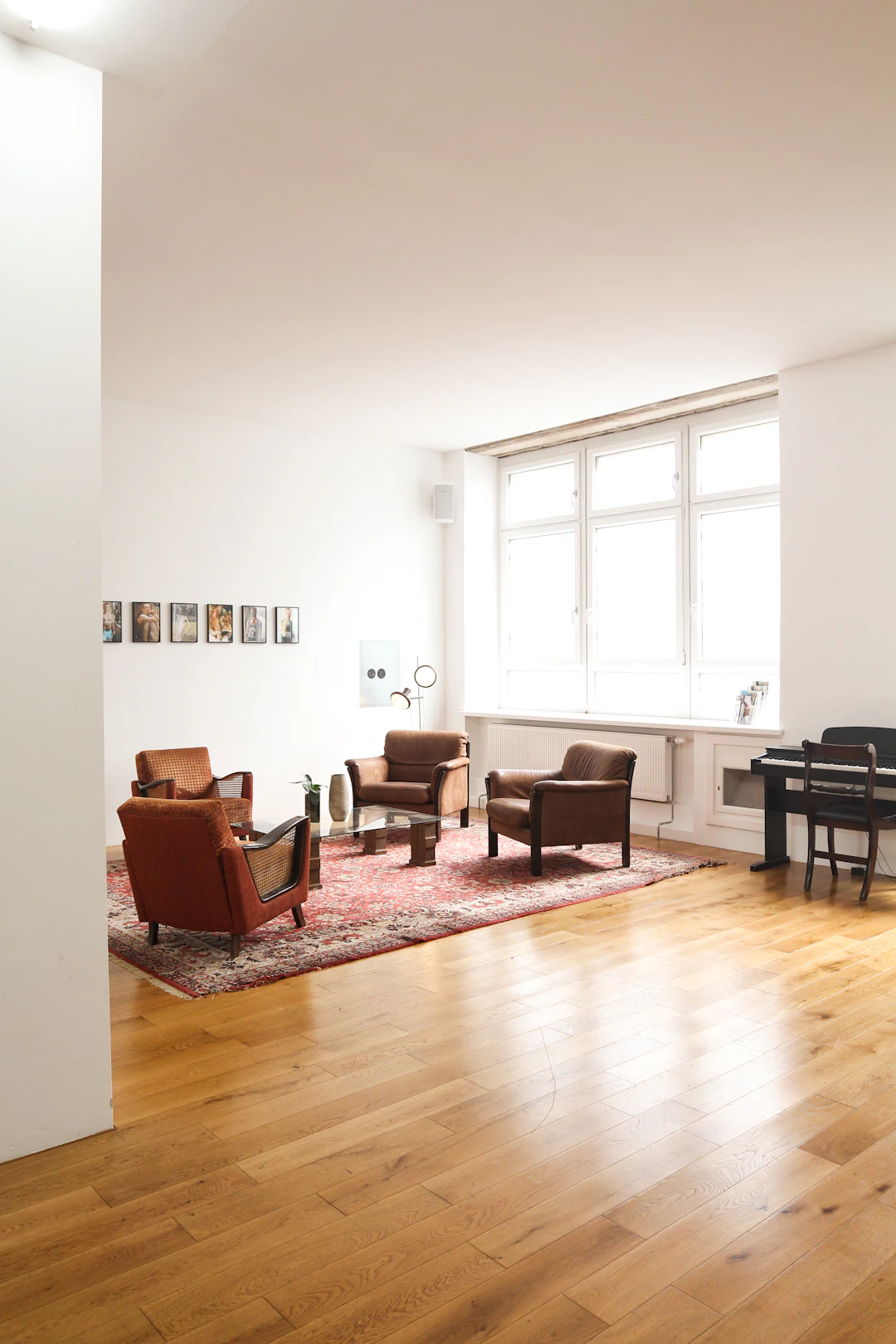
Hardwood flooring remains one of the most sought-after flooring options due to its timeless beauty and durability. The cost of hardwood flooring can vary based on the type of wood, finish, and thickness. On average, you can expect the price range for hardwood flooring to be between $8 to $15 per square foot, which typically includes both materials and labor.
Pros:
Durable and long-lasting if maintained properly.
Timeless elegance that adds value to your home.
Available in various species, colors, and finishes.
Cons:
Higher initial cost compared to other flooring types.
Requires regular maintenance, including refinishing.
Susceptible to scratching and water damage.
2. Vinyl SPC Flooring
Vinyl SPC (Stone Plastic Composite) flooring is a popular choice for homeowners looking for a waterproof and cost-effective flooring option. The typical cost is usually between $3 to $7 per square foot, making it an attractive alternative to hardwood.
Pros:
Highly durable and resistant to moisture.
Budget-friendly with a wide range of styles.
Comfortable underfoot and quieter than hardwood.
Cons:
May not add significant value compared to hardwood.
Can be prone to fading over time when exposed to direct sunlight.
Less prestigious appearance than hardwood.
3. Laminate Flooring
Laminate flooring has gained popularity due to its affordability and ease of installation. Priced anywhere from $1 to $5 per square foot, it provides a good look-alike alternative to hardwood flooring without the hefty price tag.
Pros:
Cost-effective and easy to install.
Wide range of styles mimicking hardwood and other materials.
Resistant to scratching and staining, thus easy to maintain.
Cons:
Not as durable or long-lasting as hardwood flooring.
Cannot be refinished; once damaged, it needs to be replaced.
Can feel less premium compared to other flooring types.
Calculating Your Total Cost
When planning your flooring installation, it’s essential to calculate your potential total cost accurately. Here's how:
Measure Your Space: Calculate the square footage of your room to determine how much material you need.
Choose Your Flooring: Decide on the type of flooring you want based on your budget and style preferences.
Get Quotes: Contact multiple contractors for installation quotes, ensuring you understand what is included in each estimate.
Add Additional Costs: Consider extra expenses such as site preparation, removal of existing floors, or any required underlayment.
Once you have this information, you can create a realistic budget that accommodates both material and installation costs, helping you avoid unforeseen expenses later on.
Tips for Staying Within Your Budget
Staying on budget while upgrading your flooring can be challenging, but with careful planning and strategic choices, it’s entirely possible. Here are some practical tips:
Set a Budget: Determine how much you are willing to spend, including all associated costs, and stick to it.
Choose Cost-Effective Materials: Consider options like vinyl SPC flooring or laminate flooring that offer the look of hardwood at a lower price point.
DIY When Possible: If you’re handy, consider taking on part of the installation yourself to save on labor costs.
Look for Deals: Keep an eye out for sales or discounts at flooring retailers; often, you can find quality products at reduced prices.
Consult with Professionals: Don’t hesitate to seek advice from flooring experts who can guide you toward the best options for your budget.
Maximizing Value through Professional Installation
While the cost of the material is usually the most substantial portion of your project, the installation process should not be overlooked. Hiring a professional can provide peace of mind, ensuring that the flooring is installed correctly and efficiently. Here’s why professional installation is worth the investment:
Expertise: Skilled installers have the knowledge and experience to handle any unexpected issues that may arise during installation.
Quality Workmanship: Professional installation typically results in a more polished and visually appealing finish, contributing to long-term durability.
Guarantees and Warranties: Many contractors offer warranties on their work, providing additional protection for your investment.
Your Flooring Journey: Making Informed Choices
Understanding the cost of flooring installation involves examining your choices and planning properly. Every decision, from selecting the type of flooring—whether you choose hardwood flooring, vinyl SPC flooring, or laminate flooring—to hiring the right professionals, influences your budget and overall satisfaction with the project.
By staying informed about your options, preparing your spaces, and choosing installation methods wisely, you can achieve a floor that not only looks great but also fits your budget and meets your lifestyle needs. Whether you're transforming a single room or your entire home, the right flooring can make all the difference.
Embrace the journey of revamping your space with an informed mindset, and enjoy the beautiful results of your flooring choices for years to come!
FAQs
What factors affect the cost of flooring installation?
The cost of flooring installation can vary based on factors such as the type of flooring, installation method, labor costs, site preparation needs, and the quality of materials used.
What are the pros and cons of hardwood flooring?
Pros of hardwood flooring include its durability, timeless elegance, and variety in species and finishes. Cons are its higher initial cost, need for regular maintenance, and susceptibility to scratching and water damage.
How can I stay within my flooring budget?
To stay within your budget, set a spending limit, choose cost-effective materials like vinyl SPC or laminate flooring, consider DIY installation, look for deals, and consult with professionals for advice.
What is the typical cost range for vinyl SPC flooring?
The typical cost for vinyl SPC flooring ranges from $3 to $7 per square foot, making it a budget-friendly option compared to hardwood.
Why is professional installation recommended for flooring?
Professional installation is recommended because skilled installers ensure proper handling of unforeseen issues, provide quality workmanship for a polished finish, and often include guarantees or warranties on their work.