Transforming Spaces: The Power of Flooring in Interior Design

Overview
Choosing the right flooring is essential for interior design, influencing aesthetics and functionality. Key options include hardwood for elegance, vinyl SPC for cost-effectiveness and water resistance, and laminate for affordability and ease of installation. Consider color, texture, and patterns to enhance mood and style cohesion. Proper integration with furniture and wall colors is crucial, as is maintenance to ensure longevity. Your flooring choice sets the foundation for a beautiful and inviting space.
Contents
When it comes to interior design, flooring often takes a back seat in discussions. However, the right flooring choice can dramatically influence the aesthetic appeal and functionality of any space. Whether you are working with hardwood flooring, vinyl spc flooring, or laminate flooring, understanding how these options interact with your overall design vision can lead to spectacular results.
The Foundation of Interior Design
Flooring serves as the foundation upon which the rest of your design elements are built. It sets the tone for the entire room and influences everything from the wall color to furniture placement. Here are some reasons why flooring should be a primary consideration in your interior design:
Visual Impact: The color, texture, and pattern of your flooring can either enhance or detract from other design elements.
Functionality: Different flooring types offer various levels of durability and comfort, making them suitable for different spaces.
Style Cohesion: The right flooring can unify a room, helping to create a consistent look that ties in all elements.
Exploring Different Flooring Options
Now that we understand the importance of flooring, let’s explore popular materials that can dramatically influence your interior design: hardwood flooring, vinyl spc flooring, and laminate flooring.
1. Hardwood Flooring
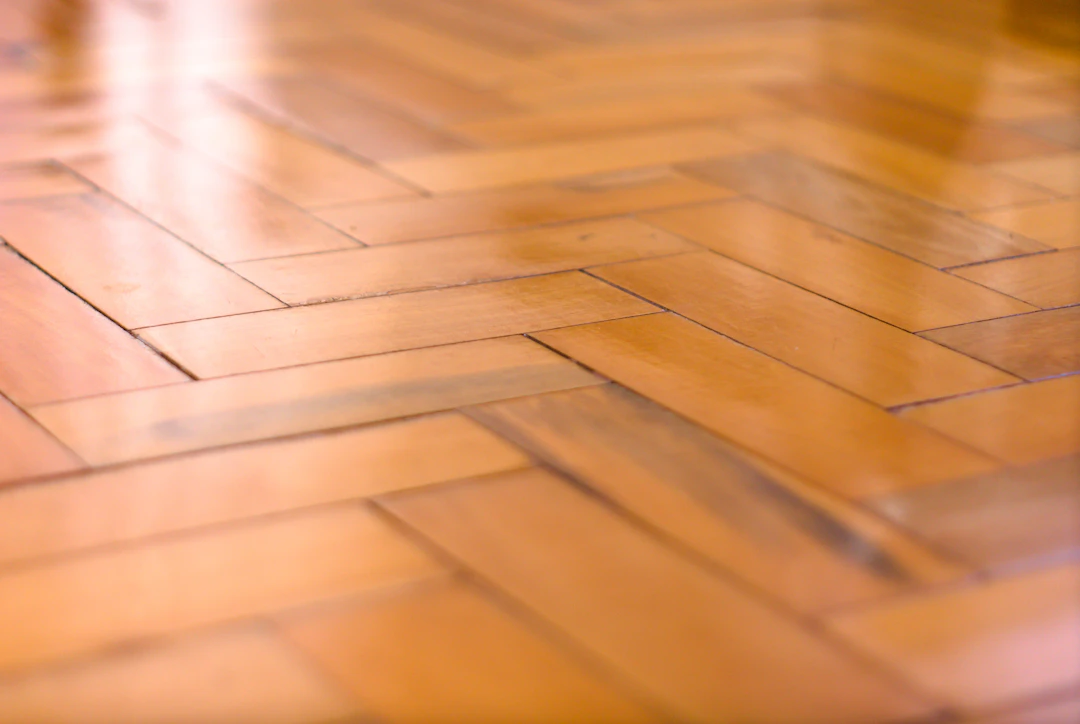
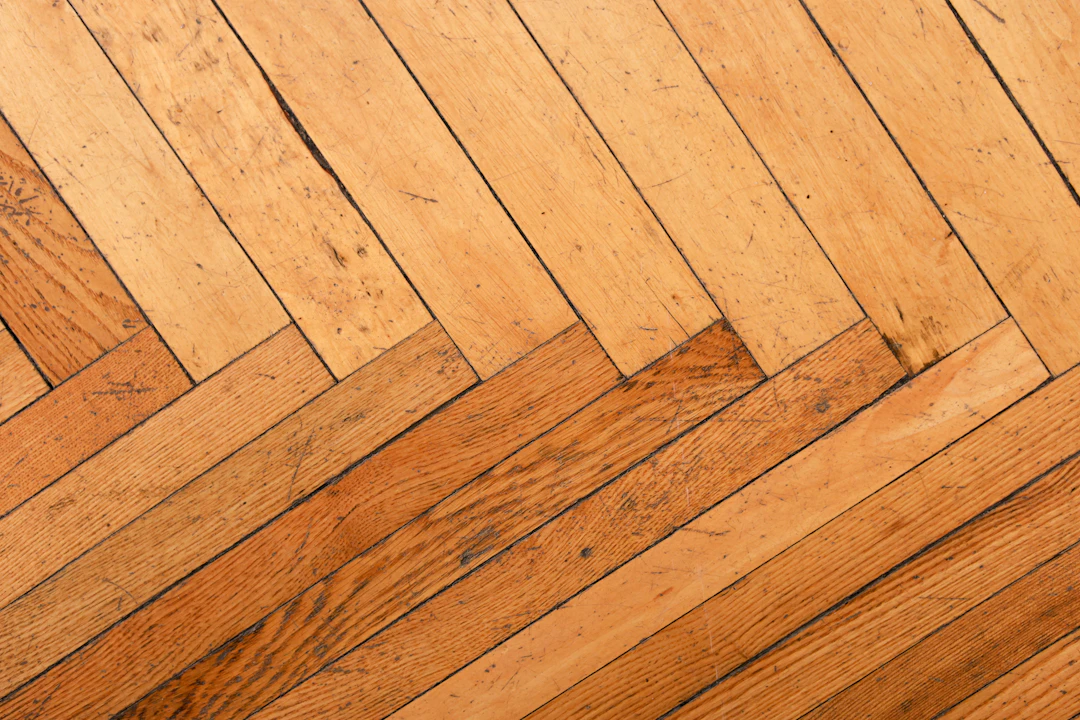
Hardwood flooring is a classic choice that exudes elegance and warmth. Its natural grain patterns and rich hues can elevate any space, from modern to traditional. Some key aspects to consider:
Timeless Appeal: Hardwood never goes out of style. Its ability to complement various design aesthetics makes it a versatile option.
Enhances Home Value: Homes with hardwood flooring often have higher resale value, making it a smart investment.
Aging Gracefully: Unlike other materials, hardwood floors can be refinished, allowing them to maintain their beauty over time.
2. Vinyl SPC Flooring
If you’re looking for a cost-effective yet stylish flooring solution, vinyl spc flooring is a fantastic option. This type of flooring combines luxury and resilience, making it ideal for both residential and commercial spaces.
Water Resistance: Vinyl SPC flooring is known for its water resistance, making it perfect for kitchens and bathrooms.
Variety of Designs: Available in a plethora of colors and patterns, vinyl offers versatile design options to fit your needs.
Comfort Underfoot: Its cushioning allows for a more comfortable walking experience, which is essential in high-traffic areas.
3. Laminate Flooring
Laminate flooring has gained popularity for a reason—it mimics the look of natural wood while offering durability and easy maintenance.
Affordable Option: Laminate is often more budget-friendly than hardwood, making it accessible for diverse projects.
Easier Installation: With its click-lock installation system, it allows for quick and hassle-free setup, perfect for DIY enthusiasts.
Fade and Scratch Resistant: Laminate is designed to withstand everyday wear and tear, maintaining its look for years to come.
Color, Texture, and Patterns
The impact of color, texture, and patterns in flooring can significantly influence how a space feels. The choices you make here can create specific moods and enhance the overall design.
Color Considerations
Color plays a fundamental role in interior design. Lighter colors generally make spaces feel larger and more open, while darker hues can add warmth and coziness. Here’s how to effectively use color in your flooring:
Choosing the Right Shade: Consider the size and purpose of the room. For smaller spaces, lighter vinyl spc flooring or laminate may be more suitable to create an airy feel.
Coordinating Colors: Ensure that the flooring color complements wall colors, furniture, and accessories for a harmonious design.
Texture and Patterns
The texture of flooring can enhance the tactile experience of a room. Consider the following:
Glossy vs. Matte Finishes: Glossy finishes may reflect more light and may be better suited for modern designs, while matte finishes create a warm, rustic feel.
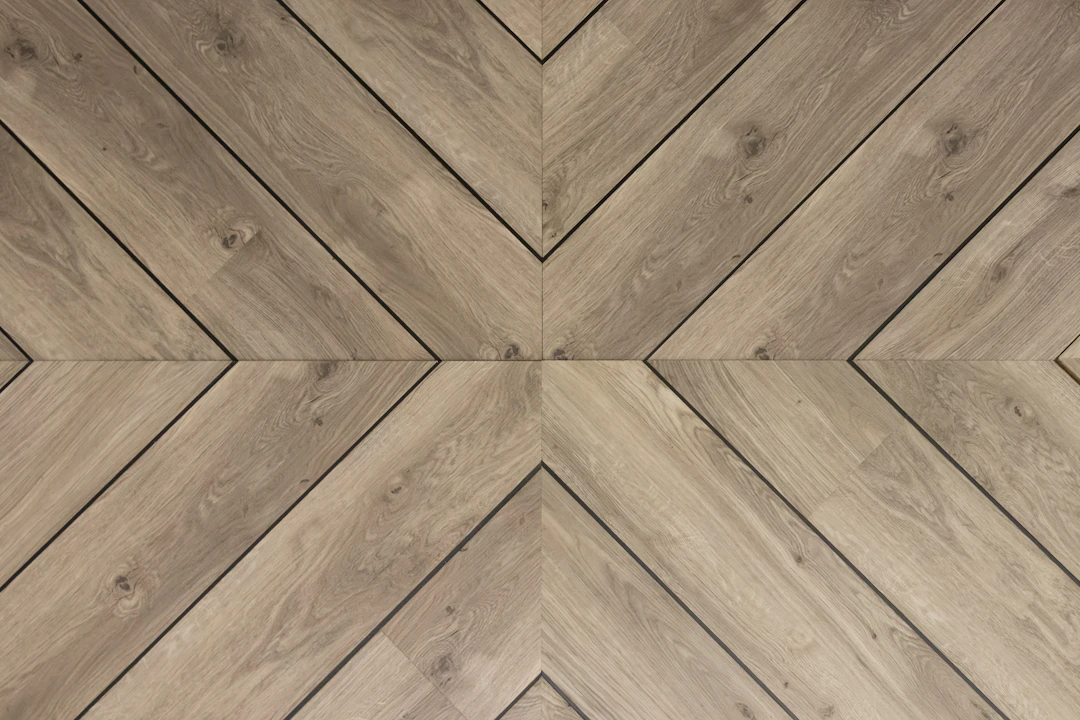
Patterned Flooring: Whether through tiles or wood planks, patterns can create focal points and add visual interest to your space.
Combining with Interior Elements
Once you select your desired flooring, the next step is integrating it with your interior design elements, such as furniture, wall color, and decorations. Here are some tips:
Furniture Pairing
The type of furniture you choose should complement your flooring material. For instance:
Hardwood Flooring: Pair with rustic wooden furniture to emphasize a natural look.
Vinyl SPC Flooring: Works great with sleek, modern furniture due to its versatility.
Laminate Flooring: Can be paired with both modern and traditional styles, depending on the laminate's design.
Wall Color
The color of the walls should harmonize with the flooring to create a cohesive design. A few tips include:
Cool Tones: If your laminate flooring and walls have cool undertones, this can create a refreshing atmosphere.
Warm Tones: Warm-toned hardwood flooring can complement warmer wall colors for an inviting look.
Decorative Accessories
Decorations such as rugs, curtains, and wall art can enhance the overall look but should be chosen carefully:
Rug Selection: Ensure that your area rugs either contrast with or complement the flooring for maximum effect.
Accessorizing: Use colors from your flooring material in pillows, throws, and art to create a unified feel throughout the space.
Flooring Maintenance and Longevity
Another critical factor in the influence of flooring on interior design is how it is maintained. Excellent flooring needs care to continue looking its best.
Hardwood flooring, while beautiful, requires regular polishing and refinishing to maintain its luster. In contrast, both vinyl spc flooring and laminate flooring are easier to care for and typically only require sweeping and occasional mopping.
Consider having a cleaning routine and applying protective products specifically formulated for your flooring type. This will ensure that your investment continues to enhance your space for years to come.
The Final Touches: Bringing It All Together
The influence of flooring on interior design cannot be overstated. Whether you choose hardwood flooring for its timeless elegance, vinyl spc flooring for its versatility, or laminate flooring for its affordability, remember that the right flooring sets the stage for the entire room. By carefully considering the color, texture, patterns, and how to integrate flooring with other design elements, you can craft spaces that are not just visually appealing but also inviting and functional.
Ultimately, your flooring decision will contribute significantly to the soul of your interiors. So take your time, assess your options, and let your flooring choices lay the groundwork for spaces that resonate with who you are.
FAQs
Why is flooring important in interior design?
Flooring serves as the foundation for your design, setting the tone for the entire room and influencing other design elements such as wall color and furniture placement.
What are the benefits of hardwood flooring?
Hardwood flooring offers timeless appeal, enhances home value, and ages gracefully, making it a versatile choice for various design aesthetics.
What is vinyl SPC flooring and why is it popular?
Vinyl SPC flooring is a cost-effective, stylish option known for its water resistance, variety of designs, and comfort underfoot, making it ideal for both residential and commercial spaces.
How does flooring color affect a room's atmosphere?
Color impacts a room's feel; lighter colors can make spaces feel larger and more open, while darker hues can create warmth and coziness.
What maintenance is required for different types of flooring?
Hardwood flooring requires regular polishing and refinishing, while vinyl SPC and laminate flooring are easier to care for, needing only sweeping and occasional mopping.