Transform Your Home: Creating a Cohesive Look with Different Flooring Types

Overview
Explore how to achieve a cohesive look in your home by mixing different flooring types like hardwood, vinyl SPC, and laminate. Understand the characteristics of each flooring option, establish a unifying design theme, and choose a color palette. Use transition areas effectively, align flooring directions, and consider textures to create visual harmony. Avoid common mistakes such as clashing styles and improper lighting. Embrace your unique style while ensuring functionality across various rooms for a welcoming and stylish home.
Contents
When it comes to interior design, flooring serves as the foundation of every space. The choice of flooring not only impacts the aesthetic appeal but also influences the atmosphere and functionality of a home. With an array of options available—ranging from Hardwood Flooring to Vinyl SPC Flooring and Laminate Flooring—it can be overwhelming to create a cohesive look throughout your home. In this article, we will explore how different flooring types can work together harmoniously, providing style tips and practical suggestions to achieve that seamless flow.
Understanding the Flooring Options
Before diving into how to construct a cohesive look, it’s essential to understand the unique characteristics of each flooring type:
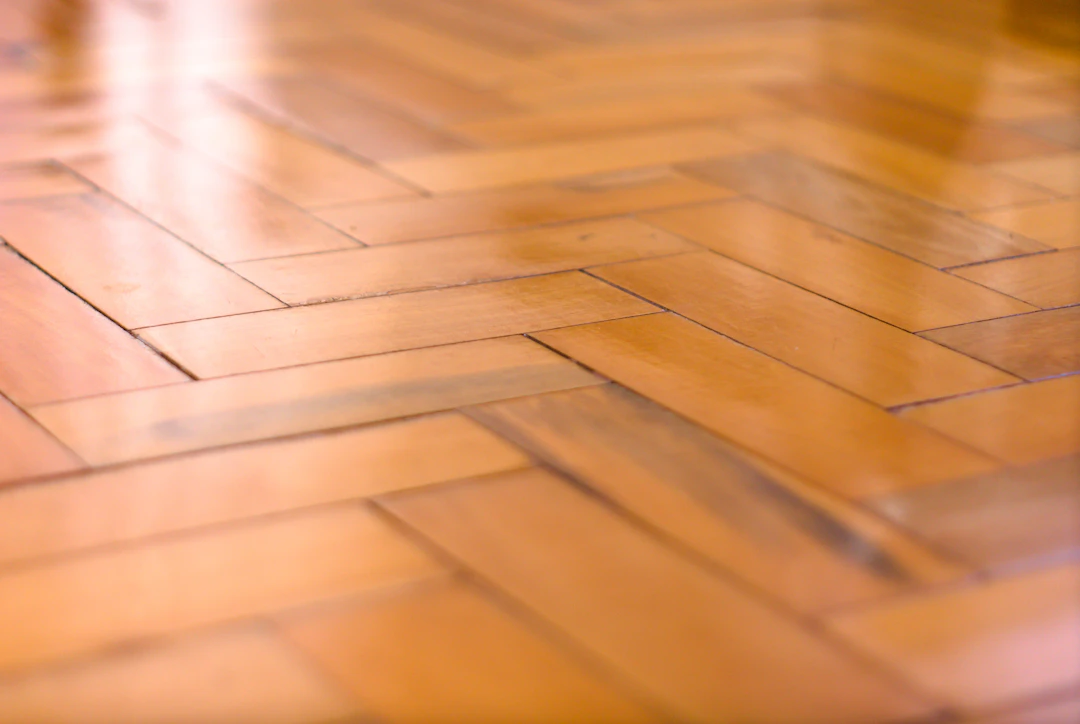
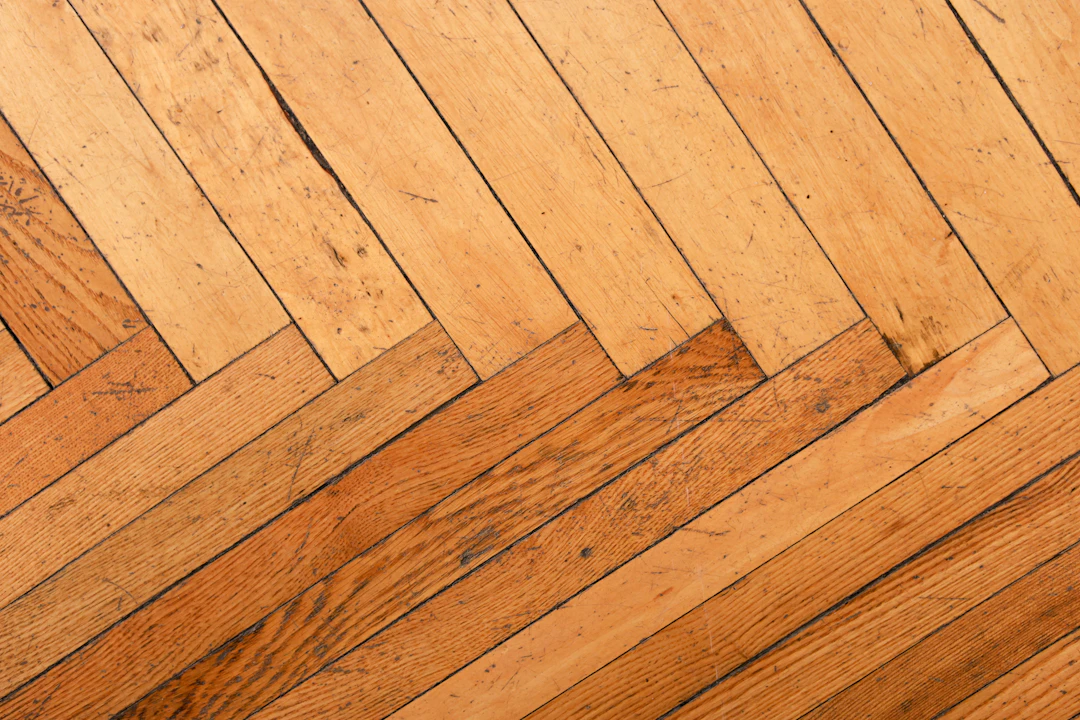
Hardwood Flooring: Known for its classic elegance, hardwood brings warmth and richness to any room. Available in various species, finishes, and colors, hardwood flooring is versatile and can easily complement various design themes.
Vinyl SPC Flooring: This innovative flooring option features a stone-plastic composite core that offers durability and water resistance, making it perfect for high-traffic and moisture-prone areas. Available in stunning wood and stone designs, it mimics the look of natural materials while being budget-friendly.
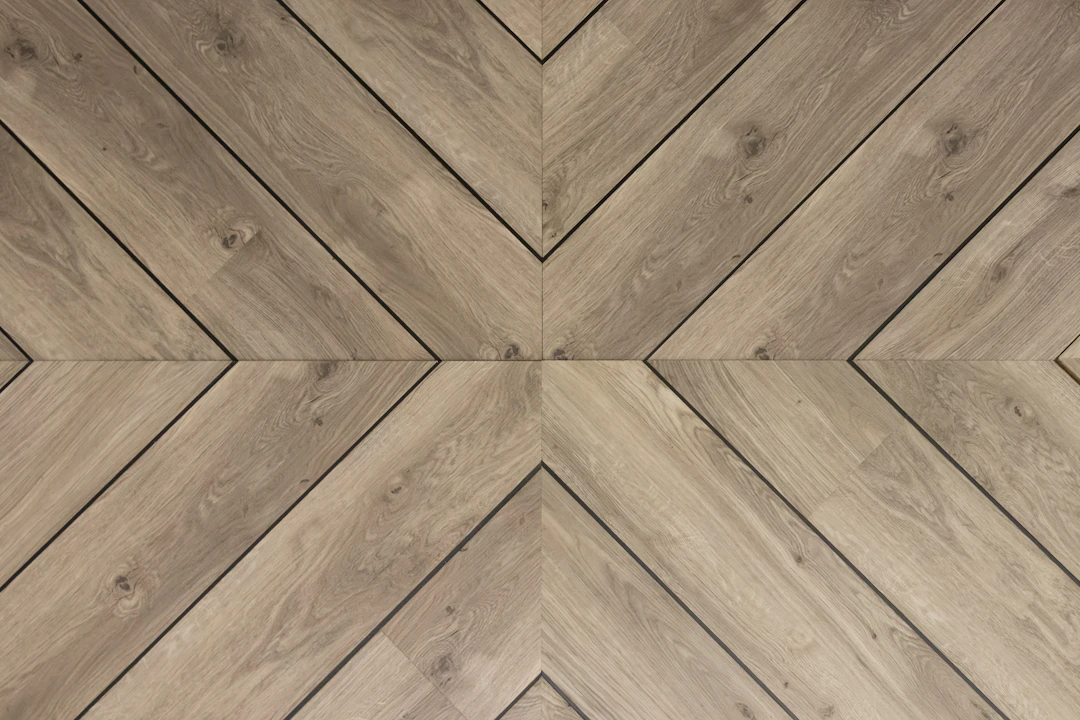
Laminate Flooring: A popular choice for many homeowners, laminate flooring combines affordability with aesthetic versatility. With a wide array of styles, colors, and finishes, laminate can replicate the look of wood or stone while providing added resilience against scratches and dents.
Establishing a Design Theme
The first step in creating a cohesive look with different flooring types is to establish a unifying design theme. Consider the overall vibe you want to achieve. Are you aiming for a modern, minimalist aesthetic, or perhaps a cozy, rustic feel? By defining your style, you can select flooring materials that enhance rather than clash with your vision.
Identifying Your Color Palette
Once you have a design theme in mind, the next step is to choose a color palette. A well-thought-out color scheme will create visual continuity throughout your home. Here are some tips:
Neutral Base: Start with neutral flooring options, such as light or dark shades of hardwood or muted tones of laminate. These colors serve as a blank canvas that can match various decor styles and furnishings.
Accent Flooring: Select contrasting yet complementary flooring in certain areas to add visual interest. For instance, using darker vinyl SPC flooring in an entryway or kitchen can offer a nice contrast to lighter floors in adjoining living spaces.
Consistency in Material: Facilitate a cohesive look by using similar materials in adjoining spaces. For example, if you choose hardwood flooring for the living room, it might be beneficial to continue the flow with either hardwood or a similarly styled laminate in the adjacent hallway.
Mixing and Matching Flooring Types
The beauty of modern flooring lies in its adaptability. Mixing different flooring types can create a unique and personalized design. Here’s how to approach the blending of various materials:
1. Zones and Transition Areas
When deciding to mix differing flooring types, it is crucial to consider the zones within your home. High-traffic areas, such as entryways and kitchens, can benefit from durable flooring like Vinyl SPC Flooring, while more serene spaces, such as bedrooms or living rooms, can embrace the warmth of Hardwood Flooring.
Moreover, use transition strips to create a smooth transition between different types of flooring. This not only enhances the flow but also provides a polished look. For example:
In a home with a vinyl SPC kitchen leading to a hardwood dining area, a coordinating transition strip can visually and physically connect the two spaces.
A cozy reading nook with laminate flooring can seamlessly connect to the hardwood of an adjoining living room.
2. Flowing Design Lines
To maintain a cohesive look, consider the direction of the flooring. Aligning different flooring types in the same direction creates a visual cue that ties spaces together. For example, placing both hardwood and laminate flooring parallel to the main light source in your home enhances flow and consistency.
Additionally, using the same width of plank across different flooring types can help establish uniformity. The sizes and shapes of your flooring options can dictate the overall aesthetic and should be chosen thoughtfully to maintain a harmonious design.
Complementary Textures and Finishes
The texture and finish of your flooring materials also play a significant role in achieving a cohesive look. Combining different textures can add depth and interest to your design:
Glossy vs. Matte: If you choose a high-gloss finish for your hardwood flooring, consider a matte finish for your laminate or vinyl SPC flooring to create contrast while still maintaining a unified theme.
Natural vs. Engineered: Pairing natural hardwood flooring with the engineered look of laminate can offer a rustic yet modern vibe. Ensure that the overall style of both flooring types complements each other.
Avoiding Common Mistakes
When mixing flooring types, it’s vital to steer clear of common design pitfalls that can disrupt your cohesive look:
Choosing Competing Styles: Make sure that the styles of your flooring work well together. For instance, placing ornate, traditional laminate next to sleek, modern vinyl may create a jarring juxtaposition.
Ignoring Lighting: Natural and artificial lighting greatly affects how flooring colors appear. Always test your flooring options in your home’s lighting before making a final decision to ensure they complement each other effectively.
Lack of Consideration for Functionality: Always prioritize the functionality of your flooring choices. For instance, high-traffic areas may require durable materials, while quieter spaces could welcome softer finishes.
Cohesive Look in Different Rooms
Now that you have a solid understanding of how to create a cohesive look with various flooring materials, let’s take a room-by-room approach to illustrate these concepts in action:
Living Rooms
The living room is often the heart of the home. Consider using Hardwood Flooring to establish warmth and comfort. Layer in a plush area rug to define spaces, especially if you blend with laminate flooring in an adjoining room. Ensure that both flooring choices reflect similar tones to uphold visual harmony.
Kitchens
Kitchens are practical spaces that may benefit from durable options like Vinyl SPC Flooring. This type of flooring is easy to clean and resistant to moisture, making it a perfect choice. If you have an open concept, consider softening the transition to the adjacent dining area by using matching laminate or hardwood, providing continuity between work and dining zones.
Bedrooms
In bedrooms, comfort is key. Soft laminate flooring brings a cozy touch, and if your design requires a change in texture, seamlessly transitioning to hardwood can uplift the aesthetics. Adding area rugs can further enhance warmth and complement the chosen flooring types.
Bathrooms
For bathrooms, where moisture is a concern, Vinyl SPC Flooring is an excellent choice. Pairing this material with warmer hardwood or laminate in the nearby hallway creates a pleasant visual flow while retaining functionality in the wet area. Ensure the transition details are incorporated to maintain cohesiveness across these distinct spaces.
Let Your Unique Style Shine Through
Creating a cohesive look with different flooring types doesn’t mean you have to sacrifice your unique style or vision. By intentionally mixing materials, considering transitions, and maintaining a consistent design theme, you can build an inviting, harmonious home that reflects your personality. Remember to enjoy the process and trust the journey, knowing that your choices will transform your house into a cohesive and stylish home. Embrace the diversity of flooring types—each piece adds character and depth to your space, making it truly one-of-a-kind!
FAQs
What are the main types of flooring discussed in the article?
The article discusses Hardwood Flooring, Vinyl SPC Flooring, and Laminate Flooring.
How can I create a cohesive look with different flooring types?
You can create a cohesive look by establishing a design theme, choosing a consistent color palette, and using similar materials in adjoining spaces.
What are some tips for mixing different flooring types?
Consider using transition strips for smooth transitions, maintain flowing design lines by aligning flooring in the same direction, and choose complementary textures and finishes.
What common mistakes should I avoid when mixing flooring types?
Some common mistakes include choosing competing styles, ignoring lighting effects on colors, and not considering the functionality of the flooring.
Which flooring type is recommended for different rooms in the house?
Hardwood Flooring is recommended for living rooms, Vinyl SPC Flooring for kitchens and bathrooms, and Laminate Flooring for bedrooms.