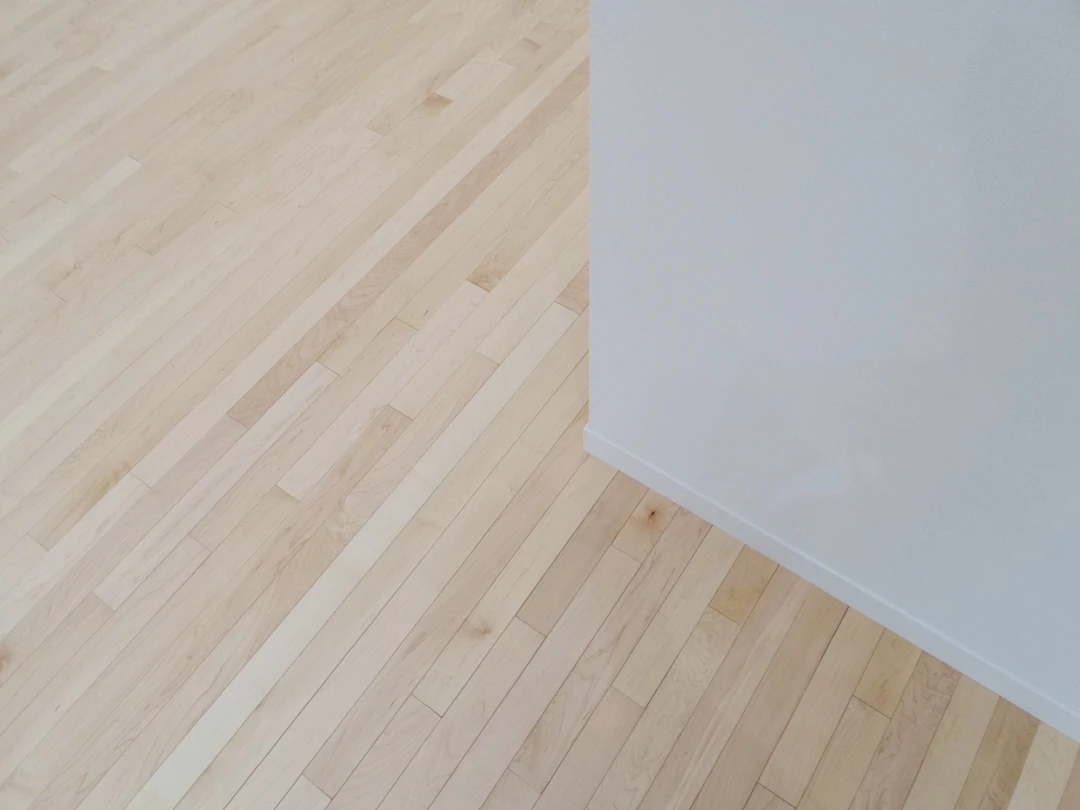
The Smart Choice: Flooring Installation for Commercial Spaces

Overview
Choosing the right flooring for your commercial space is crucial for enhancing aesthetics, ensuring durability, and improving safety. Key options include hardwood flooring for upscale environments, vinyl SPC flooring for moisture resistance and low maintenance, and laminate flooring for cost-effectiveness and ease of installation. Consider traffic patterns, maintenance, aesthetics, and budget when selecting flooring. Proper installation and maintenance are essential for longevity and appearance.
Contents
When it comes to running a successful business, the environment plays a crucial role in shaping customer experiences and employee productivity. One of the most significant aspects of any commercial space is the flooring. The right flooring not only enhances the aesthetic appeal but also contributes to functionality and safety. In this blog post, we’ll explore various flooring options, including hardwood flooring, vinyl SPC flooring, and laminate flooring, to help you make informed decisions for your commercial space.
Understanding the Importance of Flooring in Commercial Spaces
The flooring you choose for your commercial space can impact the overall atmosphere of your establishment. Whether you run a retail store, an office, or a restaurant, having the right flooring can:
Enhance aesthetics and create an inviting atmosphere.
Ensure durability against heavy foot traffic.
Improve safety and reduce the risk of slips and falls.
Contribute to sound absorption, creating a quieter environment.
Make maintenance easier and cost-effective.
Choosing the Right Flooring Option
Choosing the right type of flooring for your commercial space can be daunting, especially with so many options available. Below, we will dive into three popular choices: hardwood flooring, vinyl SPC flooring, and laminate flooring.
1. Hardwood Flooring
Hardwood flooring is a timeless choice for businesses looking to create an upscale and warm environment. Its natural beauty and durability make it a preferred option in settings like high-end retail shops, offices, and restaurants. Here are a few reasons to consider hardwood flooring for your commercial space:
Aesthetic Appeal: The rich colors and textures of hardwood can elevate the design of your commercial space.
Durability: When properly maintained, hardwood flooring can last for decades, making it a wise long-term investment.
Value Addition: Hardwood flooring can significantly increase the property value of your commercial establishment.
2. Vinyl SPC Flooring
Vinyl SPC flooring, or Stone Plastic Composite flooring, has emerged as a popular choice for those seeking durability and style. This type of flooring is constructed to withstand heavy wear-and-tear typical in commercial environments. Reasons to consider vinyl SPC flooring include:
Water Resistance: Unlike traditional flooring options, vinyl SPC is highly resistant to moisture, making it ideal for spaces that may encounter spills.
Low Maintenance: Vinyl SPC requires minimal maintenance, making it a great option for busy spaces looking to reduce cleaning times.
Variety of Designs: With its ability to mimic hardwood or tile, vinyl SPC comes in an array of designs, allowing you to achieve your desired look effortlessly.
3. Laminate Flooring
Laminate flooring is another versatile option that provides excellent value without compromising on appearance. It consists of multiple layers that can withstand high foot traffic, making it ideal for commercial environments. Here are some strong selling points for laminate flooring:
Cost-Effective: Laminate flooring offers the visual appeal of hardwood or natural stone at a fraction of the cost.
Easy Installation: Laminate can typically be installed quickly and easily, minimizing downtime for your business operations.
Scratch and Dent Resistance: The tough surface of laminate flooring resists scratches, making it perfect for bustling commercial settings.
Factors to Consider When Installing Flooring
Before deciding on the type of flooring for your commercial space, there are several factors to consider:
1. Traffic Patterns
Understanding the flow of foot traffic in your commercial space is crucial when selecting flooring. High-traffic areas will require more durable options such as vinyl SPC flooring or laminate, while lower traffic zones might be suitable for hardwood flooring.
2. Maintenance Required
Consider how much time you can dedicate to maintaining your flooring. Hardwood flooring may require more upkeep compared to laminate or vinyl, which can easily be cleaned with a damp mop.
3. Aesthetic Integration
Your flooring should complement your commercial space’s overall design. Whether you choose hardwood flooring, laminate flooring, or vinyl SPC flooring, ensure the flooring aligns with your branding and customer attraction strategies.
4. Budget Constraints
Of course, budget plays a significant role in the decision-making process. Determine a budget for flooring installation while considering long-term value. Investing in durable options may save you more in repair or replacement costs down the line.
Installation Process Unveiled
Once you have selected the perfect flooring for your commercial space, it's time to prepare for installation. Here’s what you can generally expect during the installation process:
1. Assessment of the Space
An initial assessment of the area is necessary to measure dimensions and evaluate existing flooring conditions. Make sure to have a clear vision of how the new flooring fits into the existing space.
2. Preparing the Subfloor
The subfloor must be prepared to ensure stability and longevity for the new flooring. This process may involve cleaning, patching up cracks, or even leveling the surface, especially if you’re installing hardwood flooring.
3. Acclimation (for Hardwood Flooring)
If you have chosen hardwood flooring, it’s essential to let the planks acclimate to the room’s temperature and humidity for a few days. This helps avoid expansion or contraction post-installation.
4. Installation Method
Depending on the type of flooring, different installation methods may apply. For example, vinyl SPC can be installed as a click-together floating floor, while hardwood may require glue or nailing.
5. Final Inspection
Once the installation is complete, always conduct a thorough inspection. Check for alignment, gaps, or any imperfections and ensure that everything meets your satisfaction.
Post-Installation Maintenance Tips
After installing new flooring, it’s essential to implement proper maintenance routines to maximize longevity and appearance. Here are some post-installation tips:
1. Regular Cleaning
Regardless of the type of flooring, establish a regular cleaning routine. Dust and debris can cause wear over time, especially in high-traffic areas. Use appropriate cleaning supplies designed for your specific flooring type.
2. Use Protective Pads
If you have furniture on your floors, using protective pads under legs or bases can help prevent scratches and indentations, especially with hardwood flooring and laminate flooring.
3. Control Humidity
For hardwood flooring especially, controlling indoor humidity levels is crucial. Consider using a humidifier during dryer months to prevent the wood from drying out and warping.
4. Prompt Spill Management
Handling spills immediately can prevent staining and damage. For spills on vinyl SPC flooring or laminate, simply wipe with a cloth. For hardwood, it’s essential to avoid excessive water and use a damp cloth instead.
Elevate Your Commercial Space with the Right Flooring
Deciding on the right flooring solution for your commercial space need not be an overwhelming task. By exploring the benefits of hardwood flooring, vinyl SPC flooring, and laminate flooring, and understanding the installation and maintenance processes, you can create a stylish and practical environment that resonates with your clientele. Flooring can set the tone of your space – whether sophisticated, modern, or welcoming. Choose wisely, and your flooring investment will pay off, not just in sales, but also in reputation.
FAQs
Why is flooring important in commercial spaces?
Flooring impacts customer experiences and employee productivity. It enhances aesthetics, ensures durability, improves safety, contributes to sound absorption, and makes maintenance easier.
What are popular flooring options for commercial spaces?
Popular flooring options for commercial spaces include hardwood flooring, vinyl SPC flooring, and laminate flooring.
What are the benefits of hardwood flooring?
Hardwood flooring offers aesthetic appeal, durability, and can significantly increase the property value of your commercial establishment.
How does vinyl SPC flooring differ from other types?
Vinyl SPC flooring is water-resistant, low maintenance, and comes in a variety of designs that can mimic hardwood or tile, making it ideal for busy commercial environments.
What factors should be considered when installing flooring?
Important factors to consider include traffic patterns, maintenance requirements, aesthetic integration, and budget constraints.