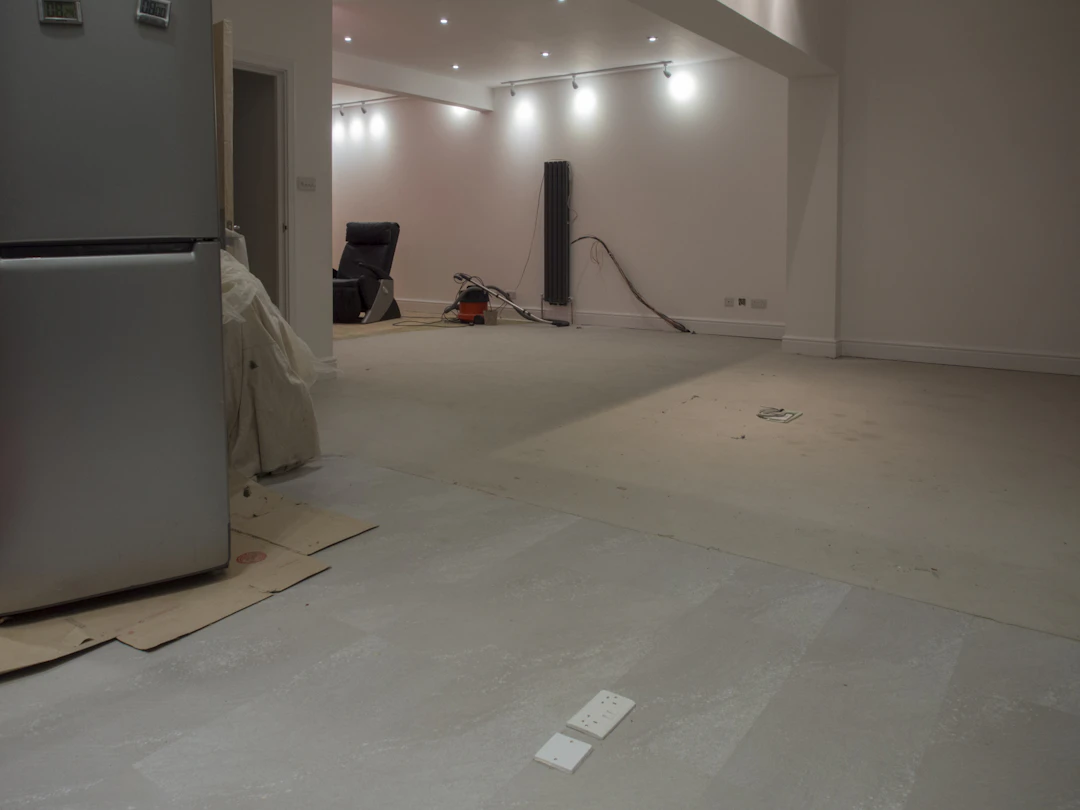
The Importance of Subfloor Preparation for Your Flooring

Overview
Proper subfloor preparation is crucial for successful flooring installation, impacting longevity and performance. Key steps include assessing, cleaning, repairing, leveling, and potentially adding moisture barriers and underlayment. Neglecting this process can lead to issues like uneven surfaces, moisture problems, and loss of stability. While some homeowners may DIY, hiring professionals is often advisable for optimal results.
Contents
When it comes to installing new flooring in your home, whether it’s Hardwood Flooring, Vinyl SPC Flooring, or Laminate Flooring, subfloor preparation is the cornerstone of a successful project. Many homeowners overlook this critical step, thinking it is unnecessary. However, proper subfloor preparation can significantly affect the longevity and performance of your flooring. In this article, we will explore why subfloor preparation is essential, the steps involved, and the potential pitfalls of neglecting this vital phase.
Understanding Your Subfloor
Your subfloor serves as the foundation for your flooring system, and it should be structurally sound and properly prepared. The subfloor can be made from various materials such as plywood, OSB (oriented strand board), concrete, or even an existing floor. Identifying the type of subfloor you have is the first step in preparing for a flooring installation.
Types of Subfloors
Plywood: Commonly used in homes, plywood provides a sturdy base for many types of flooring.
OSB: Oriented strand board is often used as a budget-friendly alternative to plywood.
Concrete: Found in basements and slab homes, concrete requires special considerations for moisture control.
Existing Floors: In some cases, you may decide to install new flooring over an existing floor, but thorough evaluation is necessary.
The Risks of Poor Subfloor Preparation
Many homeowners are tempted to skip or rush the subfloor preparation process due to time constraints or a lack of understanding. However, this can lead to various issues down the line:
1. Uneven Surfaces
An uneven subfloor can lead to noticeable imperfections in the finished flooring. Not only does it affect the floor's appearance, but it can also lead to long-term damage such as warping or cracking.
2. Moisture Problems
Improperly prepared subfloors, especially concrete, can trap moisture, leading to mold growth. This is particularly crucial for Vinyl SPC Flooring and Laminate Flooring, which may be sensitive to moisture.
3. Loss of Stability
If the subfloor isn't properly secured, it can cause squeaking or hollow sounds underfoot. This instability can greatly impact the durability of your flooring.
Steps for Effective Subfloor Preparation
Preparation is key! Here’s how to effectively prepare your subfloor:
Step 1: Assess the Current Condition
Begin by inspecting your existing subfloor. Look for signs of damage, swelling, or warping. If the subfloor is compromised, it may need to be repaired or replaced before proceeding.
Step 2: Clean the Subfloor
Ensure that the subfloor is clean and free of debris. Dust, dirt, and scraps can undermine the adhesion of your new flooring. A thorough vacuuming should do the trick in most cases.
Step 3: Repair Any Damage
Address loose boards, cracks, or any other damage before installing new flooring. Plywood or OSB with gaps or holes should be replaced, while concrete can be repaired with a concrete patching compound.
Step 4: Level the Subfloor
If your subfloor is uneven, consider using a self-leveling compound. This will create a flat surface essential for a perfect flooring installation. You can learn more about leveling subfloors in this post about Mastering The Art Of Flooring Installation Techniques.
Step 5: Install Underlayment
For additional moisture protection and sound absorption, consider installing an underlayment. Underlayments come in various materials, and choosing the right one depends on your flooring type.
Step 6: Moisture Barriers
For concrete subfloors, it may be necessary to install a moisture barrier to prevent moisture from seeping up through the concrete. Products specifically designed for this purpose can be beneficial.
Tools and Materials Needed for Subfloor Preparation
Gathering the right tools and materials is essential for a smooth preparation process. Here's a list of what you may need:
Utility Knife
Measuring Tape
Circular Saw (if replacing boards)
Screws or Adhesive for Securement
Vacuum or Broom for Cleaning
Self-leveling Compound
Moisture Barrier Material (if necessary)
Underlayment
For those looking for products to aid in achieving a level base for your flooring, check out this option for helping ensure a smooth subfloor surface.
Professional vs. DIY Subfloor Preparation
While some homeowners may feel confident in their ability to prepare a subfloor, hiring professionals is often a wise choice. Experienced flooring installers understand all the nuances of subfloor preparation and can significantly reduce the risk of errors.
Consider reading about The Benefits Of Professional Flooring Installation Services to understand why a professional touch can be invaluable.
Common Mistakes in Subfloor Preparation
Beware of these common pitfalls that can compromise your flooring project:
Ignoring Moisture Issues: Always check for moisture, especially in regions prone to rain or high humidity.
Not Properly Securing the Subfloor: Loose boards can lead to squeaks and instabilities in the final flooring.
Forgetting the Underlayment: Skipping the underlayment can reduce the acoustic benefits and increase the risk of moisture-related issues.
Benefits of Professional Flooring Installation
Choosing to hire professionals for flooring installation not only ensures that your subfloor is properly prepared but also enhances the overall quality of the flooring. A skilled team understands the nuances of different flooring options like Hardwood Flooring, Vinyl SPC Flooring, and Laminate Flooring. The right team can recommend best practices and products that suit your specific project.
If you’re interested in learning more about the significant advantages of hiring experts, consider browsing through Understanding The Importance Of Professional Flooring Installation.
A Lasting Legacy for Your Floors
Investing time in proper subfloor preparation not only enhances the longevity and durability of your flooring but also showcases your home's aesthetic appeal. By committing to this preparatory work—whether you take on the task yourself or opt for professional assistance—you ensure that your flooring stands the test of time. If you want flooring that resonates with beauty and resilience, remember that it all starts beneath your feet. So gear up, and let every installation be a statement of your creativity and attention to detail!
Explore these products to enhance your flooring project. I'm a product and I'm a product.
Related Products
I'm a product - C$7.50 - I'm a product description. I'm a great place to add more details about your product such as sizing, material, care instructions and cleaning instruct...
I'm a product - C$15.00 - I'm a product description. I'm a great place to add more details about your product such as sizing, material, care instructions and cleaning instruct...
I'm a product - C$40.00 - I'm a product description. I'm a great place to add more details about your product such as sizing, material, care instructions and cleaning instruct...
FAQs
What is subfloor preparation and why is it important for flooring installation?
Subfloor preparation is the process of ensuring that the foundation beneath your flooring is structurally sound and properly prepared. It is important because proper preparation can significantly affect the longevity and performance of your flooring.
What types of materials can be used for subfloors?
Subfloors can be made from various materials, including plywood, oriented strand board (OSB), concrete, or even an existing floor.
What are the risks associated with poor subfloor preparation?
Risks include uneven surfaces, moisture problems that can lead to mold growth, and loss of stability that may cause squeaking or hollow sounds underfoot.
What steps should be taken for effective subfloor preparation?
Steps include assessing the current condition of the subfloor, cleaning it, repairing any damage, leveling the surface, installing underlayment, and applying moisture barriers if necessary.
Should I hire a professional for subfloor preparation, or can I do it myself?
While some homeowners may feel confident in DIY subfloor preparation, hiring professionals is often a wise choice as they understand the nuances of preparation and can reduce the risk of errors.