The Impact of Flooring on Indoor Air Quality

Overview
Choosing the right flooring type significantly impacts indoor air quality (IAQ), affecting health and comfort. Hardwood, vinyl SPC, and laminate flooring each have unique effects on IAQ, with factors like VOC emissions and installation quality playing crucial roles. Regular maintenance and opting for sustainable materials can enhance air quality in your home or workplace.
Contents
When considering the aesthetics and functionality of a space, flooring is a deciding factor that greatly influences indoor air quality (IAQ). The type of flooring chosen can either enhance or detract from the air quality inside homes and workplaces. In this article, we will explore the intricate relationship between various flooring types—such as hardwood flooring, vinyl SPC flooring, and laminate flooring—and indoor air quality. Understanding this connection can guide homeowners and commercial businesses alike in making informed flooring choices that contribute to a healthier environment.
Understanding Indoor Air Quality
Indoor air quality refers to the condition of the air within buildings and structures, impacting the health and comfort of occupants. Poor indoor air quality can lead to various health issues, including respiratory problems, allergies, and fatigue. Common factors affecting IAQ include:
Ventilation: Proper airflow helps mitigate contaminants.
Humidity Levels: High or low humidity can contribute to mold growth.
Pollutants: Chemicals from building materials, cleaning products, and more can degrade air quality.
The Role of Flooring in Indoor Air Quality
Flooring contributes significantly to the overall air quality in a space. Here are some ways different types of flooring can impact IAQ:
1. Hardwood Flooring
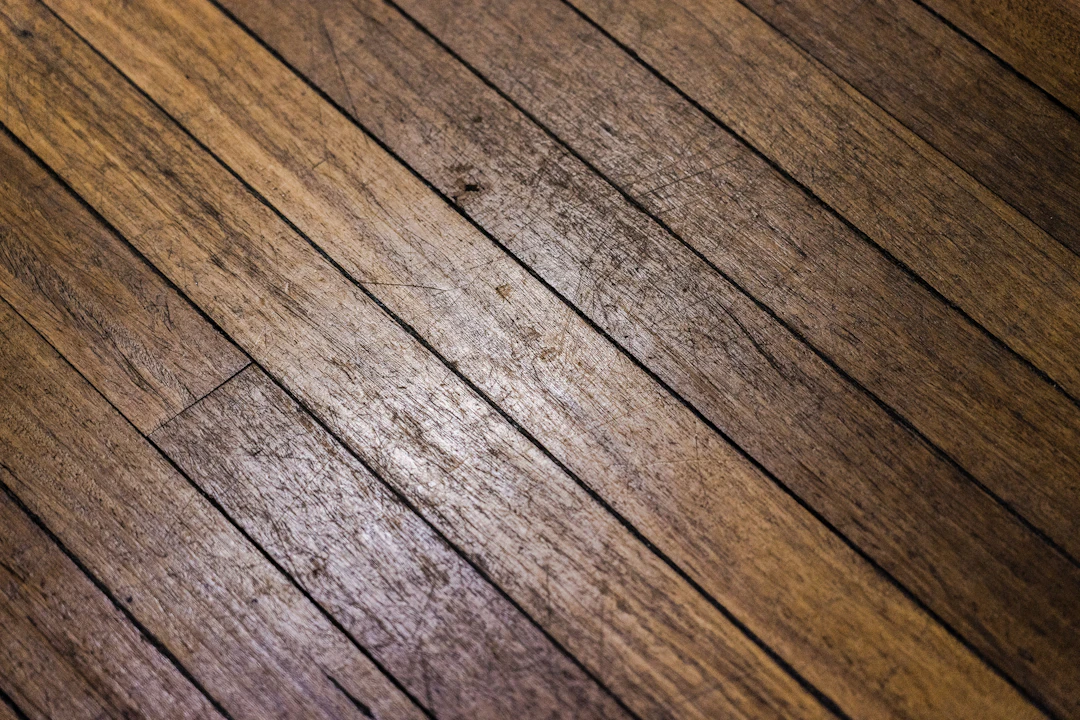
Hardwood flooring is revered for its beauty and durability. However, its impact on indoor air quality is complex. Many hardwoods are treated with finishes that can emit volatile organic compounds (VOCs), which are harmful chemicals released as gases. While the natural properties of wood can help regulate humidity and reduce dust, it is essential to select low-VOC finishes to mitigate potential health risks.
2. Vinyl SPC Flooring
Vinyl SPC flooring, known for its resilience, is often made from materials that are more stable than traditional vinyl, limiting VOC emissions. This type of flooring is a popular choice for homeowners looking for a cost-effective and durable solution. Moreover, with proper installation, vinyl SPC flooring can help reduce allergens by providing a smooth surface that is easy to clean. Be sure to choose high-quality products to ensure they are free from harmful chemicals that can compromise air quality.
3. Laminate Flooring
Laminate flooring offers a versatile option for various designs, but similar to other flooring types, the quality can vary significantly. High-quality laminate flooring can be designed to minimize VOC emissions. However, cheaper alternatives often contain harmful chemicals and adhesives that negatively impact air quality. Opting for laminate flooring with certifications ensures you are choosing a product that prioritizes a healthy environment.
The Importance of Proper Installation
Proper flooring installation is crucial in maintaining good indoor air quality. Poorly installed flooring can result in gaps and seams that trap dust and allergens. Therefore, hiring professional flooring installation services can make a significant difference. Professional installers are trained to ensure a tight fit and minimize the risk of air leaks and contaminant accumulation. To delve deeper into the impact of installation quality, you can read about the benefits of professional flooring installation services.
Cleaning and Maintenance Tips for Better IAQ
Regular maintenance is key in preserving indoor air quality, especially regarding flooring. Follow these cleaning and maintenance tips to ensure your flooring type is kept in optimal condition:
Vacuum Regularly: Use a vacuum equipped with a HEPA filter to effectively remove dust and allergens.
Use Low-Toxicity Cleaners: Choose cleaning solutions that are free from harmful chemicals.
Maintain Humidity Levels: Keep your indoor humidity between 30-50% to reduce allergens such as mold.
Sustainable Flooring Options and Their IAQ Benefits
Sustainable flooring options not only reduce the environmental footprint but often improve indoor air quality. Bamboo and cork are two examples of eco-friendly materials that are generally low in VOC emissions. Choosing sustainable flooring means opting for products that are better for both the environment and your health. Furthermore, learning about the environmental impact of choosing sustainable flooring can enlighten homeowners on making choices that benefit both their indoor space and the outdoor environment.
FAQs about Flooring and Indoor Air Quality
What flooring type is best for reducing indoor air pollution?
Hardwood flooring and high-quality laminate flooring tend to have lower VOC emissions when sourced from responsible manufacturers. Additionally, vinyl SPC flooring can also be a healthier option if you choose low VOC varieties.
How often should I vacuum my floors?
It is recommended to vacuum at least once a week. For high-traffic areas or homes with pets, you might want to vacuum more frequently to keep allergens at bay.
Can flooring affect my allergies?
Yes, certain flooring types can trap allergens like dust, pet dander, and mold. Opting for smoother and easier-to-clean surfaces can help reduce allergies in your home.
The Future of Indoor Air Quality in Flooring
The flooring industry is rapidly evolving, with manufacturers increasingly focusing on sustainable practices and improved air quality. Innovations such as antimicrobial finishes and air-purifying materials are becoming more common. As we learn more about the relationship between flooring and air quality, it will be essential for consumers to make informed decisions that promote health and well-being.
As you consider your flooring options, remember that your choice extends beyond aesthetics; it can significantly impact your indoor air quality and, ultimately, your health. If you are interested in enhancing your indoor environment with high-quality flooring, check out our offerings, like our carefully curated selection of products available to keep your space thriving: a detailed care instructions product for just C$85.00 at this link, and a practical advice guide for only C$20.00 on caring for your materials at this link.
To truly transform your space and protect your indoor air quality, it’s essential to choose flooring wisely and maintain it well. By prioritizing high-quality materials and professional installation while following effective cleaning practices, you will create a healthier, more vibrant indoor environment for everyone in your space.
Explore these flooring options to enhance your indoor air quality. I'm a product and I'm a product.
Related Products
I'm a product - C$85.00 - I'm a product description. I'm a great place to add more details about your product such as sizing, material, care instructions and cleaning instruct...
I'm a product - C$20.00 - I'm a product description. I'm a great place to add more details about your product such as sizing, material, care instructions and cleaning instruct...
I'm a product - C$130.00 - I'm a product description. I'm a great place to add more details about your product such as sizing, material, care instructions and cleaning instruct...
FAQs
What flooring type is best for reducing indoor air pollution?
Hardwood flooring and high-quality laminate flooring tend to have lower VOC emissions when sourced from responsible manufacturers. Additionally, vinyl SPC flooring can also be a healthier option if you choose low VOC varieties.
How often should I vacuum my floors?
It is recommended to vacuum at least once a week. For high-traffic areas or homes with pets, you might want to vacuum more frequently to keep allergens at bay.
Can flooring affect my allergies?
Yes, certain flooring types can trap allergens like dust, pet dander, and mold. Opting for smoother and easier-to-clean surfaces can help reduce allergies in your home.
How does humidity affect indoor air quality?
High or low humidity levels can contribute to mold growth, which negatively impacts indoor air quality.
What maintenance tips can help improve indoor air quality?
Regular vacuuming with a HEPA filter, using low-toxicity cleaners, and maintaining indoor humidity levels between 30-50% are essential for preserving indoor air quality.