The Future of Flooring: Innovations and Trends to Expect in the Next Decade

Overview
The flooring industry is rapidly evolving with trends focused on technology integration, sustainability, hybrid solutions, and enhanced durability. Key developments include smart flooring, eco-friendly materials, custom designs through 3D printing, and low-maintenance options. Consumers can expect healthier indoor environments with low VOC and antimicrobial features, alongside affordable, personalized choices. As flooring becomes a significant design element, staying informed about these innovations is crucial for homeowners and retailers alike.
Contents
The world of flooring is evolving at an unprecedented pace, driven by advancements in technology, sustainable practices, and changing consumer preferences. Whether you’re a homeowner planning your next renovation or a flooring retailer updating your inventory, understanding these trends is crucial. In this article, we'll explore what to expect in the future of flooring over the next decade, with a focus on popular materials such as hardwood flooring, vinyl SPC flooring, and laminate flooring. Let’s dive in!
1. Technological Integration in Flooring
Technological advancements are increasingly influencing the way flooring is produced, installed, and maintained. Here are some key areas where technology is making a significant impact:
Smart Floors: The concept of smart homes is expanding to include smart flooring solutions. Future flooring options may incorporate sensors to monitor wear and tear or even show real-time data about indoor air quality.
3D Printing: Imagine bespoke flooring options created to match your interior design perfectly. As 3D printing technologies develop, custom flooring designs will likely become more accessible to consumers.
Augmented Reality: Consumers will be able to visualize how different flooring options—be it hardwood flooring or laminate flooring—look in their space before making a purchase through AR applications.
2. Sustainability in Flooring Materials
As more consumers prioritize sustainability in their purchasing decisions, the flooring industry is adapting. In the coming decade, we expect a significant shift towards eco-friendly materials. Here’s what to look for:
Recycled Materials: Flooring made from recycled products will become more commonplace. This includes laminate flooring made from reclaimed wood and vinyl SPC flooring produced from previously discarded materials.
Biodegradable Options: Brands are expected to create flooring that naturally breaks down over time, minimizing environmental impact.
Sustainable Sourcing: Future hardwood flooring will be sourced from responsibly managed forests, ensuring wood is harvested in an environmentally friendly manner.
3. The Emergence of Hybrid Flooring Solutions
As technology advances, hybrid flooring options that combine the best aspects of various materials are expected to gain traction. The next decade may see an increase in flooring products that blend the durability of vinyl SPC flooring with the aesthetic appeal of hardwood flooring. These hybrid solutions could provide the perfect option for busy households looking for low-maintenance yet stylish flooring.
4. Design Trends Shaping the Future of Flooring
Flooring design continues to evolve, reflecting broader design trends. Here are some styles likely to dominate in the future:
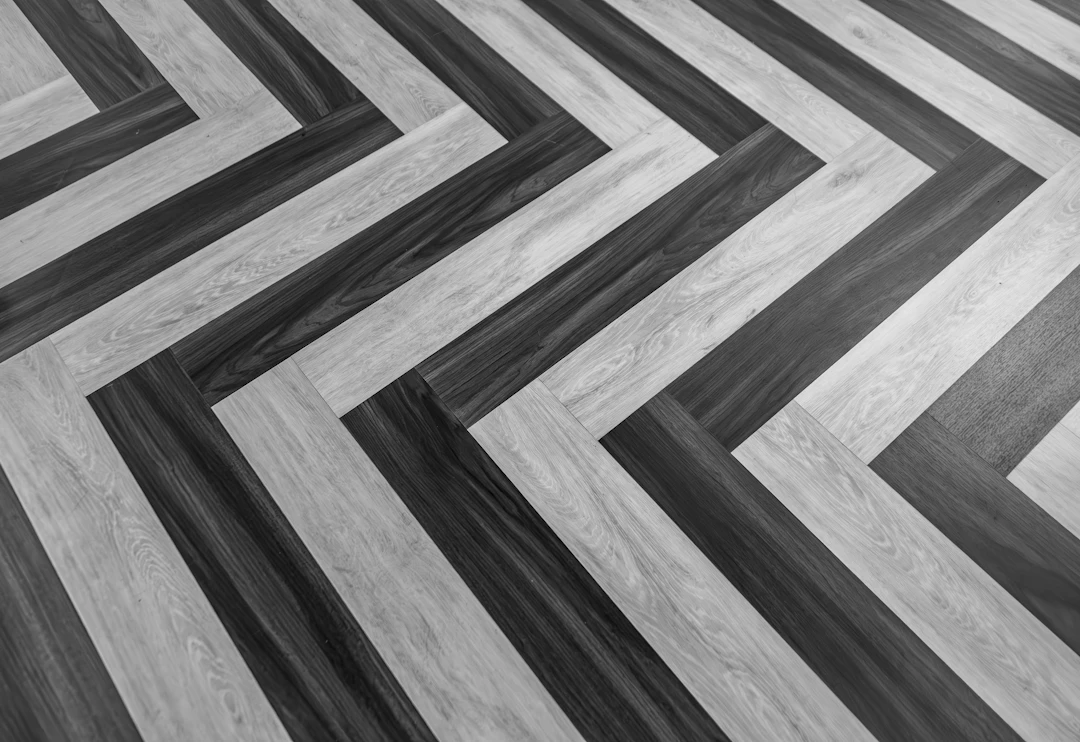
Natural Aesthetics: The rustic, natural look remains in vogue. Expect flooring that mimics the appearance of natural wood grains or stone textures, particularly in hardwood and laminate options.
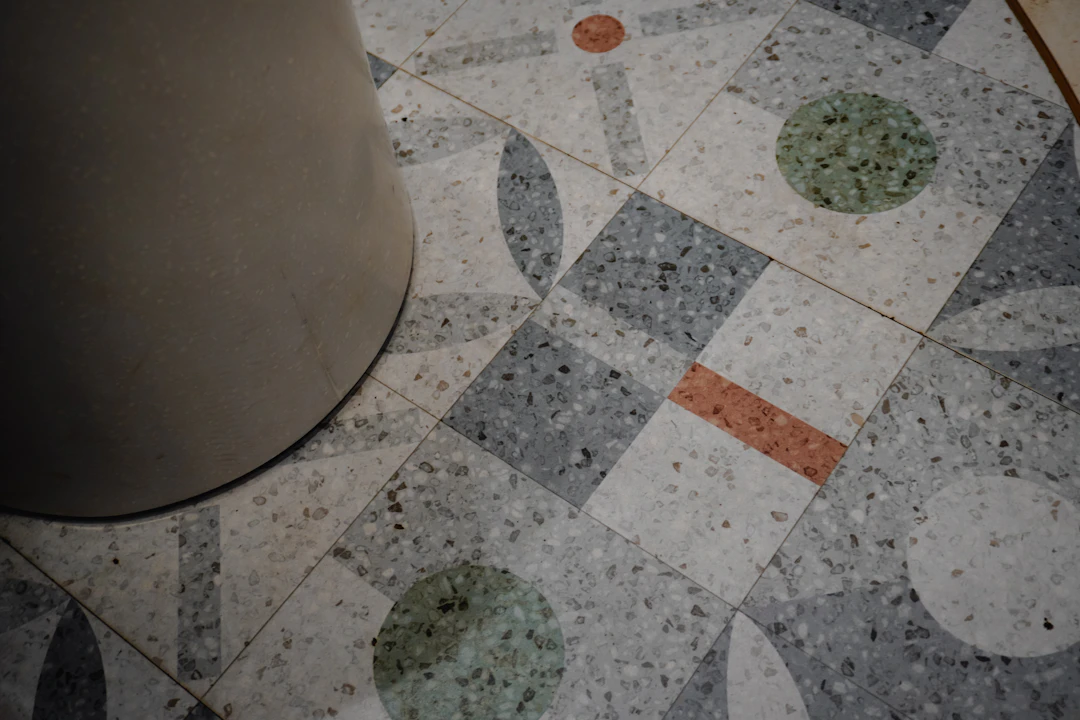
Bold Patterns and Colors: Homeowners are increasingly opting for unique patterns and bold colors. Geometric designs in laminate flooring, for instance, are becoming popular for creating statement spaces.
Seamless Integrations: More homeowners look for continuity through their living spaces. Expect flooring that seamlessly integrates with other materials, allowing for a cohesive design flow.
5. Enhanced Durability and Maintenance
In busy households or commercial spaces, durability and ease of maintenance are key factors driving flooring choices. The future may see further innovations in these areas:
Scratch and Stain Resistant: Advances in coating technologies will likely make hardwood flooring, vinyl SPC flooring, and even laminate flooring more resistant to scratches, stains, and everyday wear.
Easy-to-Clean Surfaces: Future flooring will become easier to maintain with innovations in surface treatments that repel dirt and moisture.
Longer Lifespans: As manufacturing techniques improve, flooring products are expected to have longer lifespans, providing better value to consumers.
6. The Shift Towards Healthier Indoor Environments
In light of recent global events, there’s been a growing emphasis on health and indoor air quality. Flooring materials will likely play a significant role in creating healthier living spaces:
Low VOC Options: Expect a rise in low-VOC (volatile organic compound) flooring options, which contribute to better indoor air quality.
Antimicrobial Surfaces: Innovations in flooring could lead to antimicrobial properties that inhibit bacterial growth, making spaces safer particularly for families with children and pets.
Moisture Control: Advanced flooring solutions may also include moisture-control features, reducing the risk of mold and related health issues in homes.
7. The Role of Flooring in Smart Homes
As the concept of smart homes gains momentum, flooring will integrate more with smart technology, influencing how we interact with our living spaces:
Smart Sensors: Floors equipped with sensors will alert homeowners about water leaks or excessive wear over time.
Energy Efficiency: Future flooring could include thermal properties that help regulate indoor temperatures, contributing to greater energy efficiency.
Controlled Lighting: Imagine floors that change color or emit light depending on the time of day or mood, creating dynamic living environments.
8. Affordability and Accessibility
In the future, we can expect flooring options that are not only stylish and sustainable but also affordable and accessible. Innovations in manufacturing processes are likely to reduce production costs, making high-quality products available to a broader audience. As a result, more homeowners will have the opportunity to create beautiful spaces with flooring that reflects their personal style without breaking the bank.
9. The Consumer-Centric Experience
The evolution of flooring will also be shaped by consumer feedback and preferences. Here’s how the flooring industry will become more consumer-centric:
Personalization: Homeowners will seek out flooring that reflects their unique style. Expect brands to offer customizable designs, colors, and patterns to suit individual tastes.
Augmented Reality Tools: The use of AR tools will empower consumers to visualize flooring choices in their homes, enhancing the buying experience.
Online Consultation Services: With the rise of e-commerce, we anticipate more brands providing virtual consultations to help customers pick the perfect flooring for their needs.
10. The Bottom Line: Flooring as a Design Element
As we look towards the next decade, flooring will continue to play an integral role in both functionality and aesthetics within our homes and businesses. The innovations in materials and technologies promise a future where flooring not only enhances a space but also supports sustainability and health initiatives.
Whether you opt for luxurious hardwood flooring, practical vinyl SPC flooring, or stylish laminate flooring, the choices will cater to your lifestyle and design aspirations. As the market evolves, it’s essential to stay informed about the trends and innovations shaping the future of flooring.
Ready to transform your space with cutting-edge flooring solutions? Explore your options and embrace the future of flooring today!
FAQs
What are some technological innovations expected in flooring over the next decade?
Technological innovations in flooring may include smart floors with sensors for monitoring wear and indoor air quality, 3D printing for custom designs, and augmented reality applications for visualizing flooring options.
How is sustainability impacting the flooring industry?
Sustainability is driving a shift towards eco-friendly materials, including flooring made from recycled products, biodegradable options, and hardwood sourced from responsibly managed forests.
What are hybrid flooring solutions?
Hybrid flooring solutions combine the best aspects of various materials, offering durability and aesthetic appeal, making them ideal for busy households looking for low-maintenance yet stylish options.
What design trends are expected to shape the future of flooring?
Future design trends in flooring are likely to include natural aesthetics that mimic wood grains and stone textures, bold patterns and colors, and seamless integrations with other materials for a cohesive look.
How will flooring contribute to healthier indoor environments?
Flooring will likely feature low VOC options for better indoor air quality, antimicrobial surfaces to inhibit bacterial growth, and moisture-control features to reduce mold risks, contributing to healthier living spaces.