Keep Your Floors Beautiful: Essential Tips for Maintaining Your Flooring After Installation

Overview
To keep your hardwood, vinyl SPC, or laminate flooring looking great and lasting long, follow essential maintenance tips: allow floors to settle post-installation, keep them dry, sweep or vacuum regularly, use doormats, protect high-traffic areas with rugs, and avoid excessive water. Use appropriate cleaning methods for each flooring type, implement preventative measures like using furniture pads and a no-shoes policy, and consider seasonal care for winter and summer challenges. For pets, regular grooming helps, and if damage occurs, know the repair techniques for each floor type. Schedule professional maintenance for optimal care.
Contents
When it comes to enhancing the aesthetic and functional appeal of your home, flooring choices such as hardwood flooring, vinyl SPC flooring, and laminate flooring can make a significant difference. However, the care you provide post-installation is crucial for prolonging the life and appearance of your new flooring. This guide will walk you through essential maintenance tips that ensure your floors stay in pristine condition for years to come.
The Importance of Floor Maintenance
Maintaining your floors goes beyond just aesthetics. Proper maintenance helps in:
Extending the lifespan of the flooring material.
Preserving the flooring’s color and finish.
Preventing costly repairs and replacements.
Improving indoor air quality.
Safety by reducing accidents from slips or falls.
Initial Steps Post-Installation
After your flooring has been installed, it’s essential to take certain precautions to ensure the longevity of your investment. Regardless of whether you've chosen hardwood flooring, vinyl SPC flooring, or laminate flooring, here are some crucial initial steps you should have in place:
1. Allow the Floor to Settle
After installation, your flooring may need a brief settling period. During this time, avoid heavy furniture or foot traffic to allow everything to stabilize. This is especially important for hardwood flooring, which may need time to acclimate to your home’s humidity levels.
2. Keep the Floor Dry
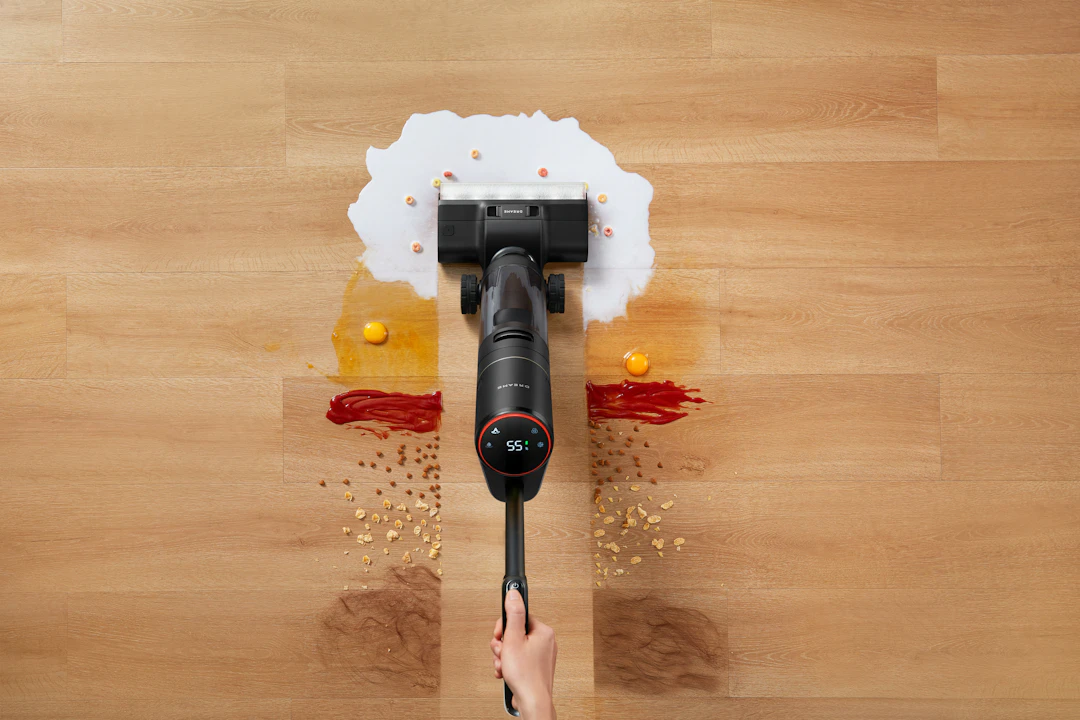
Moisture can be devastating for all types of flooring. Ensure that you keep spills wiped up immediately and avoid mopping with excessive water. Instead, opt for a slightly damp mop for superficial cleaning.
Daily Maintenance Tips for Your Floors
In addition to initial steps, regular daily maintenance is a must. No matter what type of flooring you've chosen, keep the following tips in mind:
1. Sweep or Vacuum Regularly
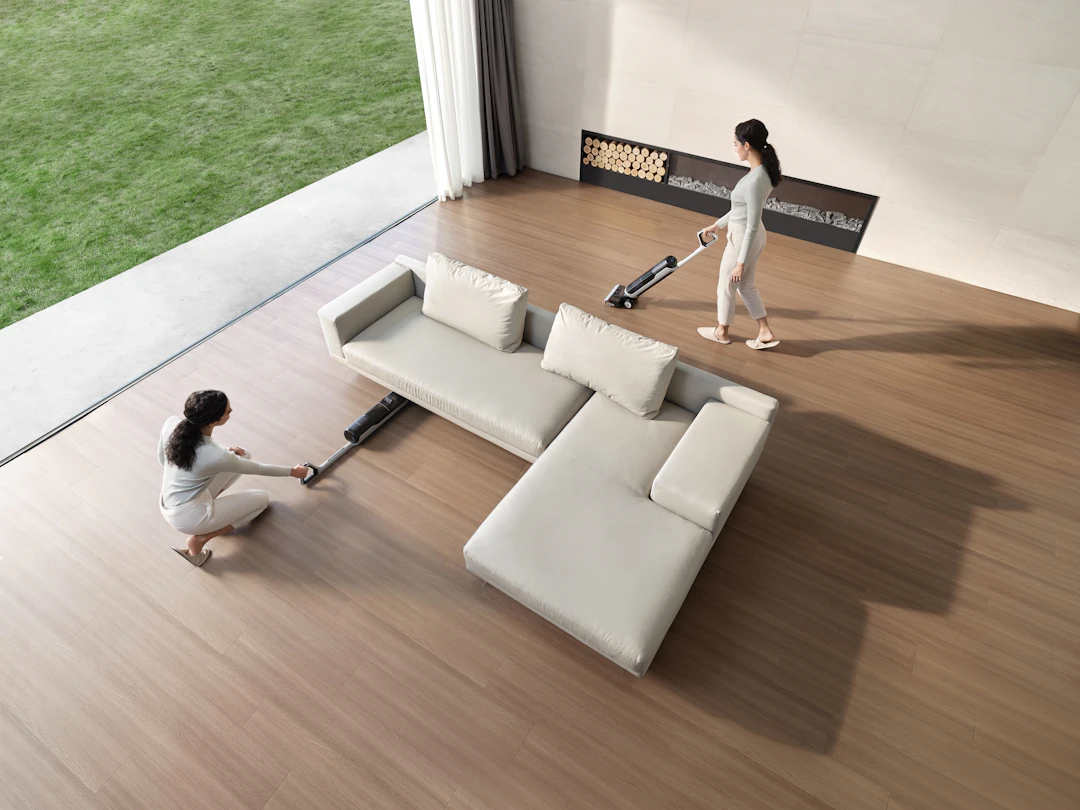
Dust, dirt, and debris can accumulate quickly, damaging the surface of your flooring. For hardwood flooring and laminate flooring, a soft broom or vacuum without a beater bar is best. For vinyl SPC flooring, ensure any abrasive particles are promptly removed to prevent scratches.
2. Use Door Mats
Placing mats at entryways can minimize dirt and moisture being tracked into your home. This simple preventative step can save a lot of wear and tear on your floors.
3. Protect High Traffic Areas
For households with children or pets, certain areas will experience more wear. Use rugs in high-traffic spots to help absorb impact and prevent scuff marks and scratches.
Cleaning Your Flooring: Best Practices
Each type of flooring has preferred cleaning methods. Understanding the right approach will keep them looking their best:
1. Cleaning Hardwood Flooring
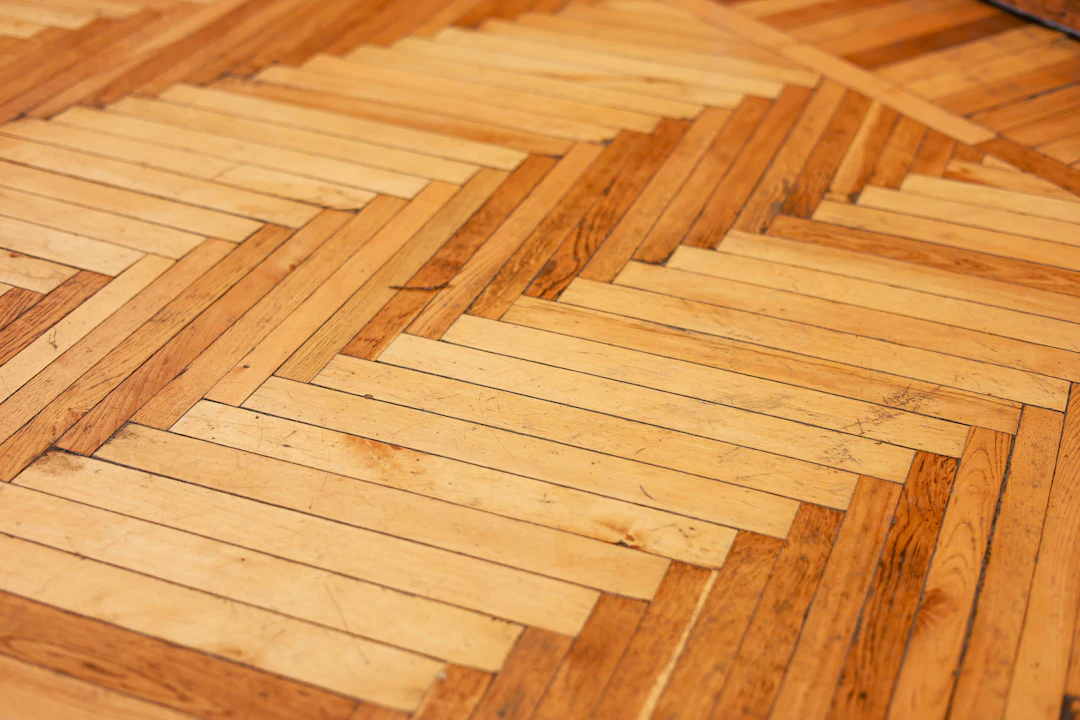
When cleaning hardwood flooring, use a designated wood cleaner or a mixture of vinegar and water. Avoid soap-based detergents as they can leave a residue, dulling the floor’s shine. A microfiber mop works wonders for picking up dust while preventing scratches.
2. Cleaning Vinyl SPC Flooring
For vinyl SPC flooring, a mixture of mild detergent and warm water can be used for cleaning. Avoid harsh cleaners that contain bleach or ammonia. After mopping, always follow with a dry mop or towel to remove excess moisture, ensuring the floor doesn’t warp.
3. Cleaning Laminate Flooring
With laminate flooring, it’s important to stick to laminate-specific cleaners. Conventional wet mop techniques can cause the seams to swell over time; thus, using a damp mop with less rinsing is ideal.
Preventative Measures for Longevity
Taking steps to prevent damage to your floors will save you time and money in the long run. Here are some preventative measures:
1. Furniture Pads
Using pads or coasters under furniture legs will prevent scratches and dents on all types of flooring. For heavier furniture, consider using sliders to shift items without damaging the floor surface.
2. No Shoes Indoors
Encouraging a no-shoes policy at home can drastically reduce dirt and debris on your flooring surfaces. This simple rule can pay off significantly, especially for high-maintenance floors like hardwood.
3. Avoid Excessive Water
Regardless of the flooring type, excessive moisture can lead to warping and other issues. Ensure the bathrooms and kitchens have proper ventilation to reduce moisture levels, and always wipe up spills immediately.
Seasonal Care Tips
Different seasons bring unique challenges for floor maintenance, and being prepared for changes can assure your flooring remains robust:
1. Winter Precautions
During the winter months, salt and snow can damage flooring. It's important to immediately mop up any residue that could lead to stains or scratches. Place mats at entrances to catch any melting snow or ice that may be tracked indoors.
2. Summer Precautions
Heat and humidity can impact flooring materials, particularly hardwood. To combat humidity, use a dehumidifier if necessary. Also, make sure to keep curtains or blinds drawn to protect your floors from direct sunlight, which can cause fading.
Special Considerations for Pets
Pets can add joy to a household, but they can also bring challenges to flooring care:
1. Groom Regularly
Regular grooming reduces shedding, which protects your investment. Consider investing in a vacuum specifically designed for pet hair and dander.
2. Train Pets to Avoid Certain Areas
If possible, designate certain areas of the home as pet-free zones, especially for rooms with hardwood flooring where scratches are more likely. Training can take time, but it’s worth the effort.
What to Do in Case of Damage
In the unfortunate event that your flooring does endure damage, every flooring type comes with its repair techniques.
1. Minor Scratches
For hardwood flooring, minor scratches can often be buffed out with a bit of olive oil or a specialty wood conditioning product. For laminate flooring, a resin filler may help to cover small gouges.
2. Deep Scratches or Dents
For deeper scratches in vinyl SPC flooring, consider using vinyl repair kits that are designed to fill the imperfection without compromising appearance. For extensive damage, consult with a professional who can either replace a section or recommend the best course of action.
Stay Ahead: Schedule Professional Maintenance
While many maintenance tasks can be handled independently, scheduling professional upkeep can ensure everything runs smoothly. These services often include:
Buffing and polishing for hardwood floors.
Deep cleaning for laminate and vinyl options.
Inspection for any potential issues that could arise.
Your Floors, Your Responsibility
The beauty and longevity of your flooring are ultimately within your control. By adopting sound cleaning practices and preventative measures, you can maintain the beauty of your hardwood flooring, vinyl SPC flooring, and laminate flooring while keeping your home tidy and appealing. Make the commitment today to pay fine attention to your floors – they deserve it, and so do you!
FAQs
Why is floor maintenance important after installation?
Floor maintenance is crucial because it extends the lifespan of the flooring material, preserves its color and finish, prevents costly repairs, improves indoor air quality, and reduces the risk of slips or falls.
What initial steps should I take after installing my flooring?
After installation, allow the floor to settle without heavy furniture or foot traffic, and keep the floor dry by wiping up spills immediately and using a damp mop for cleaning.
How often should I clean my floors and what methods should I use?
You should sweep or vacuum regularly to remove dust and debris. Use a soft broom for hardwood and laminate, and ensure to remove abrasive particles from vinyl SPC flooring to prevent scratches.
What are some preventative measures for maintaining flooring?
Use furniture pads to prevent scratches, encourage a no-shoes policy indoors, and avoid excessive water to prevent warping and other issues.
What should I do in case of damage to my flooring?
For minor scratches, buff them out with olive oil or a specialty wood conditioner. For deep scratches or dents, consider using repair kits or consult a professional for repairs.