Get Ready to Transform Your Space: Essential Tips for Preparing Your Home for Flooring Installation

Overview
Prepare your home for new flooring installation by clearing the area, inspecting and cleaning the subfloor, acclimating the materials, addressing transitions between different flooring types, ensuring good acoustics, keeping pathways clear, notifying household members, and communicating with your installer. Understanding these steps will help ensure a smooth and efficient installation process.
Contents
Installing new flooring can dramatically change the look and feel of your home. Whether you’re opting for hardwood flooring, vinyl SPC flooring, or laminate flooring, it’s crucial to prepare your space effectively to ensure a smooth installation process. This comprehensive guide will lead you through the necessary steps to prepare your home for new flooring, making your experience seamless and enjoyable.
Understanding the Flooring Options
Before jumping into preparation, it’s important to understand the types of flooring available. Each option has different characteristics and may require unique preparation steps.
Hardwood Flooring: Known for its timeless appeal and longevity, hardwood flooring is a popular choice. Its installation might require more stringent environmental conditions and structural considerations.
Vinyl SPC Flooring: This durable option mimics the appearance of natural materials and is resistant to moisture, making it ideal for bathrooms and kitchens.
Laminate Flooring: Offering a cost-effective solution, laminate flooring is easy to install and maintain, making it a favorite for many homeowners.
Steps to Prepare Your Home for Flooring Installation
Now that you are informed about your flooring options, let’s dive into how you can prepare your home effectively.
1. Clear the Installation Area
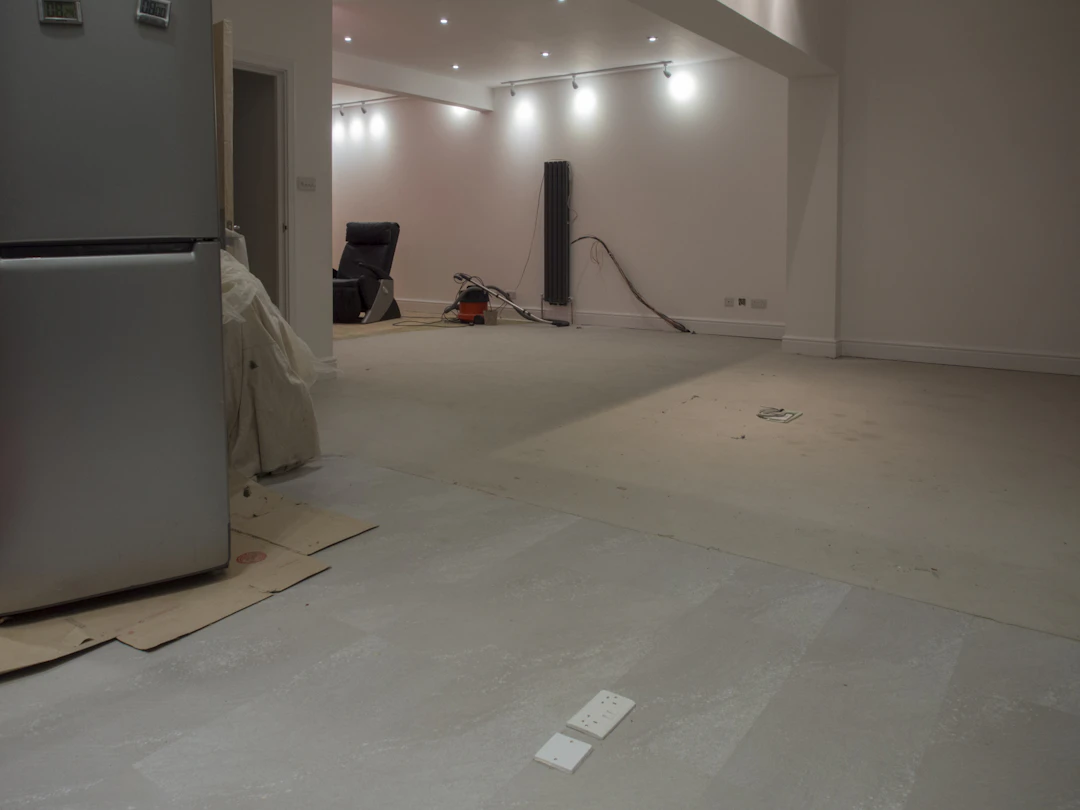
The first step in your preparation process is to clear the rooms where the new flooring will be installed. Remove all furniture, rugs, and personal items from the floor. This includes:
Tables and Chairs
Couches and Sofas
Small Items (decorations, plants, etc.)
Appliances (if necessary, especially in kitchens)
Remember, the more space you create, the easier it will be for the installers to work, thus reducing the time taken to complete the job.
2. Prepare the Subfloor
The subfloor is the surface beneath your flooring that needs to be in excellent condition. Depending on your choice of flooring, follow these steps:
Inspect for Damage: Check for any cracks, holes, or damages on the subfloor that may need repairs.
Clean Thoroughly: Ensure that the subfloor is clean, dry, and free of debris. Dust, dirt, and other particles can affect the installation and longevity of your new flooring.
Level the Subfloor: For hardwood flooring and some laminate options, a leveled subfloor is critical. Use leveling compounds if necessary.
3. Acclimate Your Flooring
Different flooring materials react differently to temperature and humidity. Acclimating your flooring before installation can prevent issues like warping or buckling. Here’s how:
Unpack the flooring materials and lay them in the room where they will be installed.
Allow them to sit in the room for at least 48 to 72 hours, maintaining the room's normal temperature and humidity levels.
4. Identify Flooring Transition Areas
If you have multiple types of flooring in adjacent rooms, consider how you will transition from one flooring type to another. Installing transition strips may be necessary to create a smooth and visually appealing flow from one area to the other.
During installation, discuss with your contractor how you can best address these transition areas based on the flooring choices of each space.
5. Ensure Proper Acoustics
Acoustics play a vital role in creating a comfortable living environment. Depending on your choice of flooring, adding underlayment can help minimize noise. This is particularly useful in homes with multiple stories or in shared spaces. Consider the following:
For Hardwood Flooring: Acoustic underlayment can help reduce sound transfer between levels.
For Vinyl SPC and Laminate Flooring: Specially designed underlayments can also enhance comfort and sound absorption.
6. Ensure Safe and Accessible Pathways
During installation, your installers will need to navigate throughout your home. Ensure that pathways to and from the installation area are clear. Move any obstacles, such as plants or small furniture, that could cause delays or accidents.
7. Notify Other Household Members
Let everyone in your home know about the flooring installation schedule. Consider the noise and general disruption it may cause. For households with children or pets, it may be wise to make arrangements for them to be in an alternative space during the installation process.
8. Communicate with Your Installer
Open communication with your flooring installer is fundamental to a successful project. Discuss any additional preparation they may require or potential issues they foresee. Be sure to confirm:
The timeline for the installation
What materials they will provide
Any prerequisites you might need to handle prior to their arrival
Understanding the Importance of Preparation
Preparing your home for flooring installation is more than just a checklist; it’s an essential process that ensures everything runs smoothly. Proper preparation can save you time and money by avoiding potential setbacks during the installation.
Frequently Asked Questions About Flooring Installation
Here, we answer some of the most common questions homeowners have about preparing for flooring installation.
Q: How long does it typically take to install new flooring?
A: The installation duration depends on several factors, including the type of flooring you choose and the size of the area. Generally, it can take a few hours to a few days.
Q: Do I need to hire a professional for flooring installation?
A: While some homeowners choose DIY installations, hiring a professional can guarantee a quality installation, especially for more complex flooring options like hardwood.
Q: Can I walk on my new flooring immediately after installation?
A: This depends on the type of flooring installed. Generally, avoid heavy foot traffic for at least 24 hours post-installation to allow adhesives to cure properly.
Transforming Your Space: The Last Steps
Now that you are equipped with all the necessary knowledge to prepare your home for flooring installation, take pride in your choice and envision the amazing transformation that lies ahead. The right preparation can make a world of difference, ensuring the outcome of your new hardwood flooring, vinyl SPC flooring, or laminate flooring is everything you dreamed of. Embrace the journey, and soon you will be enjoying your beautiful, new floors that enhance the beauty of your home.
FAQs
What are the essential steps to prepare my home for flooring installation?
The essential steps include clearing the installation area, preparing the subfloor, acclimating your flooring, identifying flooring transition areas, ensuring proper acoustics, clearing safe pathways, notifying household members, and communicating with your installer.
How do I acclimate my flooring before installation?
To acclimate your flooring, unpack the materials and lay them in the room where they'll be installed for at least 48 to 72 hours to adapt to the room's temperature and humidity.
Can I install flooring myself, or should I hire a professional?
While some homeowners opt for DIY installations, hiring a professional is recommended for a quality installation, especially with complex flooring types like hardwood.
How long does flooring installation take?
The installation duration varies based on flooring type and area size, typically ranging from a few hours to a few days.
When can I walk on my new flooring after installation?
This depends on the flooring type, but generally, it's best to avoid heavy foot traffic for at least 24 hours to allow adhesives to cure.