Finding Your Perfect Match: Choosing the Right Flooring Material for Your Home

Overview
Choosing the right flooring is crucial for your home's aesthetics, value, and functionality. This guide covers various flooring types, including hardwood, vinyl SPC, and laminate, along with their pros and cons. Key considerations include budget, longevity, personal style, and the practical needs of each room. Prioritize eco-friendly options and make an informed choice to enhance your living space.
Contents
Flooring is one of the most significant investments you can make in your home. Not only does it impact the aesthetics of your space, but it also affects your home's value, comfort, and functionality. With so many options available, choosing the right flooring material can be overwhelming. In this comprehensive guide, we will explore various flooring types, their advantages, disadvantages, and considerations to help you make an informed decision that suits your lifestyle.
Understanding the Different Types of Flooring
Before diving into the specifics of various flooring materials, it’s crucial to understand the different categories of flooring available on the market today. The primary types you’ll come across include:
Hardwood Flooring
Vinyl SPC Flooring
Laminate Flooring
Tile
Carpet
The Timeless Elegance of Hardwood Flooring
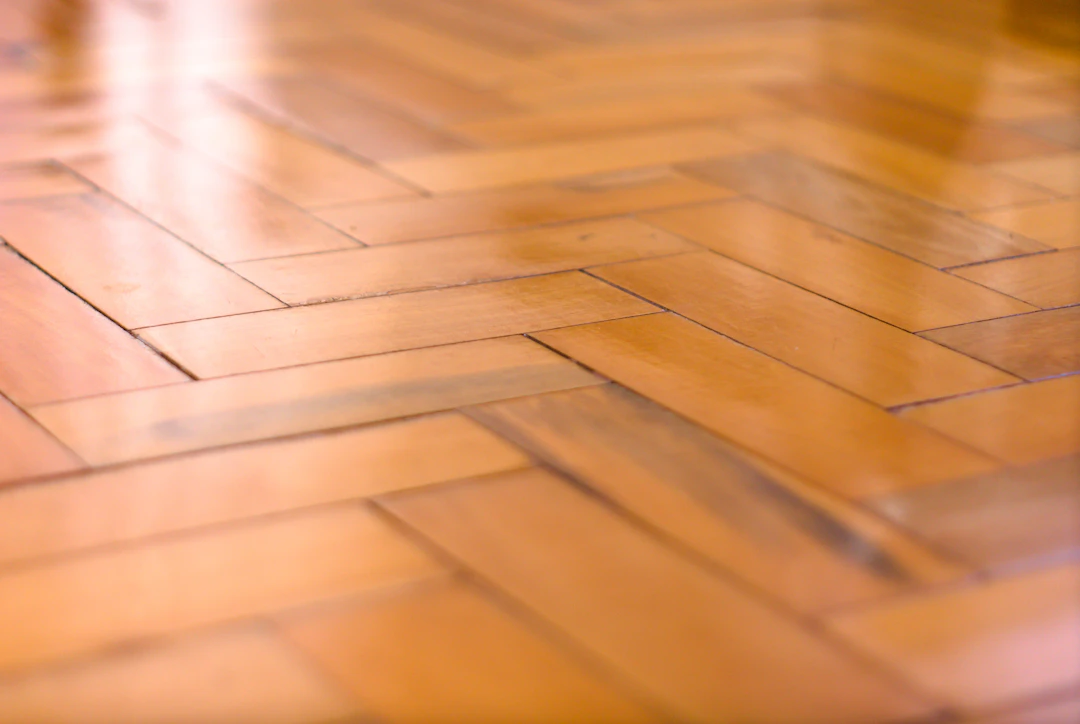
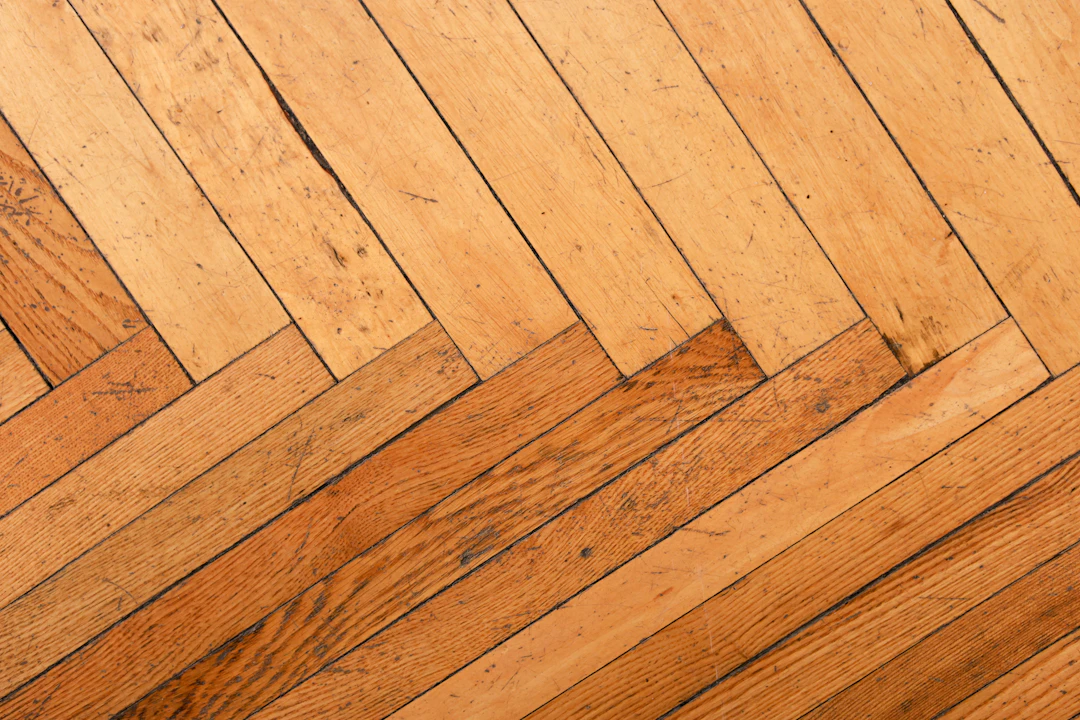
Hardwood flooring carries a timeless charm that appeals to many homeowners. It's made from natural wood and offers a variety of grains, stains, and finishes that can match any interior design style. Here’s why you might consider hardwood for your home:
Advantages of Hardwood Flooring
Durability: When properly maintained, hardwood can last for decades, even generations.
Easy Maintenance: Routine sweeping and occasional polishing keep it looking great.
Increased Home Value: Hardwood is often seen as a high-end flooring option, which can enhance your property’s market value.
Natural Insulation: Wood has insulating properties, helping to keep your home warmer in winter and cooler in summer.
Disadvantages of Hardwood Flooring
Cost: Hardwood flooring can be one of the more expensive options available.
Susceptibility to Damage: It can scratch easily and may warp or swell in humid environments.
Installation: Professional installation is often recommended, adding to the overall expense.
Exploring the Versatility of Vinyl SPC Flooring
Vinyl SPC (Stone Plastic Composite) flooring has become increasingly popular in recent years due to its durability and affordability. It’s an excellent option for homeowners looking for the aesthetic of hardwood or tile without the associated costs. Here’s what you should know about this modern hybrid:
Advantages of Vinyl SPC Flooring
Water-Resistant: Vinyl SPC is designed to withstand moisture, making it ideal for kitchens and bathrooms.
Variety of Styles: This flooring can mimic the look of natural materials, including wood and stone.
Low Maintenance: A simple sweep and mop is usually all that's required to keep it looking fresh.
Comfort: It tends to be softer underfoot than hardwood, making it more comfortable to stand on.
Disadvantages of Vinyl SPC Flooring
Less Longevity: While durable, vinyl SPC typically does not last as long as hardwood flooring.
Less Eco-Friendly: It is a synthetic material, which may not appeal to environmentally conscious homeowners.
Potential Fading: Extended exposure to sunlight may cause colors to fade over time.
The Practicality of Laminate Flooring
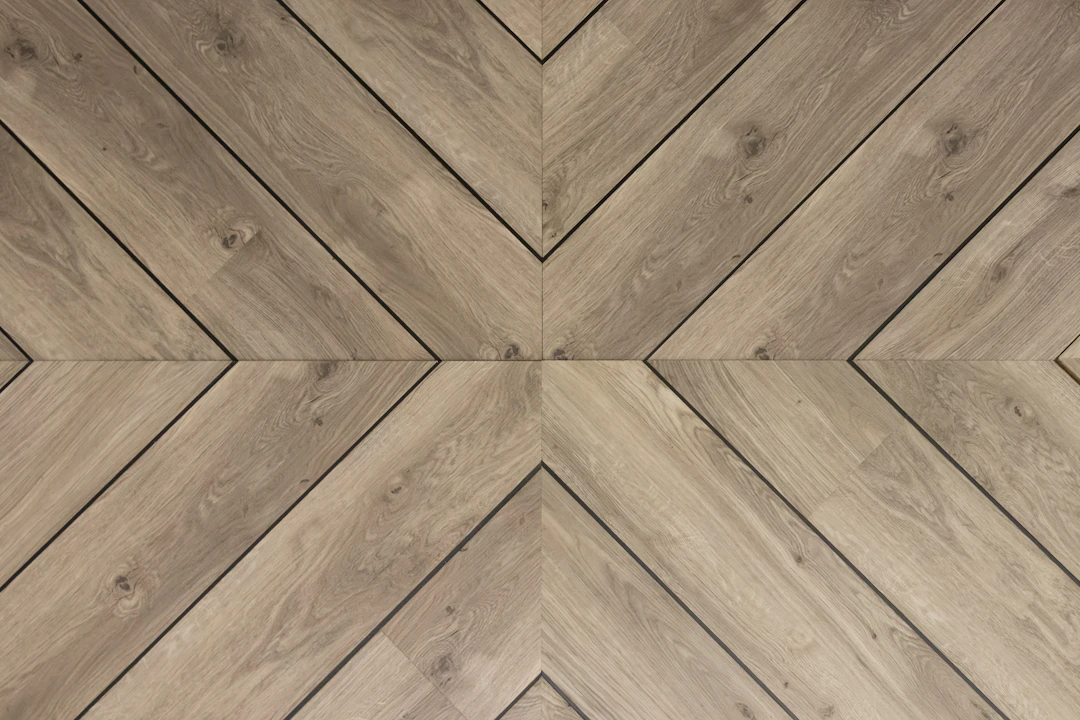
Laminate flooring is another budget-friendly option that has gained traction. It consists of several layers, including a photographic layer that replicates the appearance of wood, stone, or even ceramic. Let’s break down the merits and drawbacks of laminate flooring:
Advantages of Laminate Flooring
Affordability: Laminate flooring is typically cheaper than hardwood and many other flooring options.
Easy Installation: Many laminate products feature a click-lock design, making DIY installation a viable option.
Durability: It is scratch-resistant and stands up to heavy foot traffic well.
Variety: Laminate comes in an extensive range of colors and styles, catering to numerous tastes and preferences.
Disadvantages of Laminate Flooring
Not Water-Resistant: Although some laminate products offer limited water resistance, it’s generally not recommended for areas with high moisture.
Less Authentic Feel: While it can look like wood, it lacks the authentic texture and warmth of natural hardwood.
Can’t Be Refinished: Once it’s worn down, you’ll have to replace it completely, unlike hardwood flooring, which can be refinished.
Choosing the Right Flooring for Different Rooms
When selecting flooring for your home, it’s important to consider how each room is used. Each area may require different properties provided by various types of flooring.
Living Rooms and Bedrooms
For living rooms and bedrooms, both hardwood flooring and laminate flooring can create a warm and inviting atmosphere. Hardwood adds elegance and can increase the home's value, while laminate offers affordability and ease of maintenance.
Kitchens and Bathrooms
In kitchens and bathrooms, moisture-resistant materials like Vinyl SPC flooring are highly recommended. They provide the aesthetic appeal without the risk of damage from spills and humidity.
Entryways and Hallways
In entryways or hallways, durable flooring options are key. Laminate and Vinyl SPC flooring are both excellent options due to their resistance to wear and tear.
Environmental Considerations for Your Flooring
As homeowners become more environmentally conscious, the impact of flooring materials on the environment is an important factor to consider. Here are a few tips for choosing eco-friendly flooring:
Look for Sustainable Sources: Consider products made from sustainably harvested wood for hardwood flooring.
Check for Certifications: Look for certifications such as FSC (Forest Stewardship Council) to ensure responsible sourcing.
Choose Low-VOC Products: Volatile Organic Compounds can be harmful to indoor air quality. Opt for flooring with low or no VOC emissions.
Recycled Options: Many types of Vinyl SPC flooring incorporate recycled materials, reducing waste.
Making the Final Decision
Now that you’ve learned the ins and outs of popular flooring materials such as hardwood flooring, Vinyl SPC flooring, and laminate flooring, it’s time to put this knowledge into action. Here are some final considerations to keep in mind as you finalize your choice:
Budget: Determine how much you can spend not only on material costs but also on installation and maintenance.
Longevity: Consider how long you want your flooring to last and how much wear and tear it will endure.
Personal Style: Choose a style that complements your home’s decor while also reflecting your personal aesthetic.
Practical Needs: Think about the functionality each space requires, especially regarding moisture, traffic, and comfort.
Your Flooring Journey Begins Now!
Choosing the right flooring for your home is an exciting journey that can enhance the beauty and functionality of your living space. By weighing the pros and cons of each material, considering the needs of each room, and thinking about environmental impacts, you will be well-positioned to make an informed decision. Remember that flooring is more than just a surface; it’s the foundation upon which your home is built. So take your time, do your research, and enjoy the process of transforming your living space!
FAQs
What are the main types of flooring materials discussed in the blog?
The main types of flooring materials discussed include hardwood flooring, vinyl SPC flooring, laminate flooring, tile, and carpet.
What are the advantages of hardwood flooring?
The advantages of hardwood flooring include its durability, easy maintenance, increased home value, and natural insulation properties.
Which flooring option is recommended for kitchens and bathrooms?
Vinyl SPC flooring is recommended for kitchens and bathrooms due to its moisture-resistant properties.
What should be considered when choosing flooring for living rooms and bedrooms?
For living rooms and bedrooms, consider using hardwood for elegance and increased home value, or laminate for affordability and easy maintenance.
What environmental factors should be considered when selecting flooring?
When selecting flooring, consider sustainable sources, certifications like FSC, low-VOC products, and options made from recycled materials.