Essential Steps for Post-Installation: Crafting Your Flooring Care Routine

Overview
Establishing a flooring care routine is essential for maintaining the beauty and longevity of new hardwood, vinyl SPC, or laminate floors. Key steps include regular cleaning, inspecting for damage, managing moisture, and deep cleaning monthly. Seasonal adjustments and using the right cleaning products are also crucial. Consistency and diligence will help ensure your floors remain functional and visually appealing for years to come.
Contents
Installing new flooring is an exciting milestone for any homeowner, whether you’ve opted for hardwood flooring, vinyl SPC flooring, or laminate flooring. However, the journey doesn’t end once the last plank is laid down. A comprehensive post-installation care routine is crucial for maintaining the beauty and extending the lifespan of your floors. In this guide, we’ll walk you through essential steps to create an effective flooring care routine tailored to your new flooring type.
The Importance of a Flooring Care Routine
A well-established flooring care routine helps ensure your investment isn't just aesthetically pleasing but also functional and durable. Different types of flooring, such as hardwood flooring, vinyl SPC flooring, and laminate flooring, require unique care to maintain their properties and appearance. By implementing a consistent care routine, you’ll be able to:
Enhance the longevity of your flooring
Preserve its visual appeal
Protect against wear and tear
Create a healthier living environment by reducing allergens
Weekly Maintenance Routine
1. Regular Cleaning
The first step in your weekly flooring care routine is to establish a cleaning schedule. Regular cleaning is essential no matter which type of flooring you have. Dust, dirt, and debris can accumulate, leading to scratches and dullness. Depending on your flooring type, here are some cleaning tips:
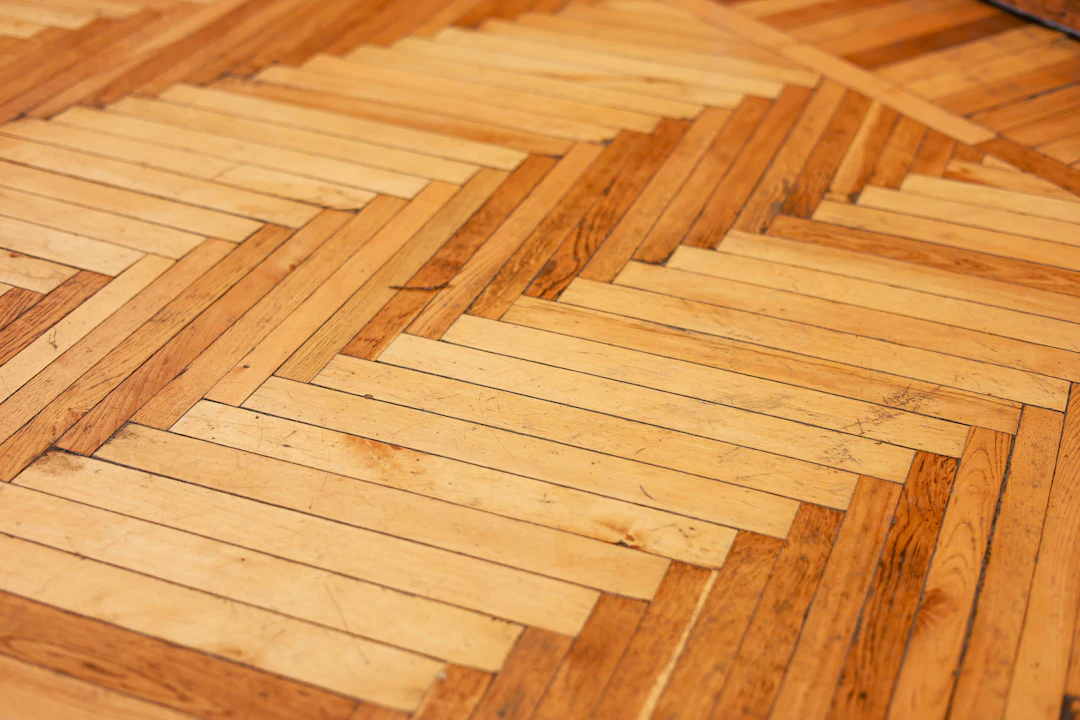
Hardwood Flooring: Use a soft-bristle broom or a microfiber mop to collect dust and dirt without damaging the finish. Avoid using wet mops, as excessive moisture can warp the wood.
Vinyl SPC Flooring: Sweep or vacuum regularly to remove dirt and debris. A damp mop with a mild cleaner can help maintain its luster. Make sure not to use abrasive tools that can scratch the surface.
Laminate Flooring: Like vinyl, laminate floors can benefit from regular sweeping or vacuuming. For deeper cleaning, a damp cloth with a suitable cleaner can be used, but avoid soaking the floor.
2. Inspect for Damage
Make it a habit to inspect your floors for any signs of damage while you clean. Look for scratches, dents, or discoloration. Early detection can help you address issues before they become serious problems. For instance:
For hardwood, minor scratches can be repaired with a touch-up kit.
On vinyl SPC, look for peeling or lifting edges, which might require adhesive reinforcement.
Laminate flooring often needs a replacement plank if the damage is severe.
3. Avoiding Excessive Moisture
Regardless of the type of flooring you choose, it’s vital to manage moisture levels effectively. Too much water can be detrimental to your floors, leading to warping or mold growth. Here are some tips:
For hardwood flooring, use coasters under plants or furniture to prevent water damage.
Ensure that spills are wiped up immediately, and establish a strict no-wet-mopping policy.
With vinyl SPC flooring, while it is resistant to moisture, standing water can still cause problems.
Laminate flooring requires caution, as water can seep through seams and cause swelling.
Monthly Deep Cleaning Techniques
1. Deep Cleaning Methods
In addition to your weekly routine, incorporate a monthly deep cleaning session to ensure your flooring stays in optimal condition.
Hardwood Flooring: Use a specialized hardwood cleaner for an in-depth clean, and apply a wax or polish as recommended by the manufacturer to maintain shine.
Vinyl SPC Flooring: Use a vinyl-specific cleaner with some warm water and a mop to clean stains and ground-in dirt effectively. Avoid alcohol-based cleaners that can damage the surface.
Laminate Flooring: For a deep clean, use a laminate floor cleaner. Ensure that any cleaner is designed for and safe to use on laminate surfaces.
2. Conditioning and Restoration
Depending on the flooring type, you may need to condition or restore the surface at least once a year:
Hardwood Flooring: Consider professional buffing and refinishing, particularly in high-traffic areas.
Vinyl SPC Flooring: If you notice fading, consult a flooring specialist to restore its gloss or surface finish.
Laminate Flooring: While laminates cannot be refinished, using a quality laminate maintenance product can help maintain the finish.
Seasonal Care Techniques
1. Adjusting to Seasonal Changes
As seasons change, so do the conditions that can affect your flooring:
In winter, consider using door mats and ensuring proper humidity levels indoors.
In summer, check for sun damage and utilize curtains or UV-resistant films to protect hardwood flooring and other materials.
For vinyl SPC flooring, maintain a consistent temperature to prevent expansion and contraction.
2. Protecting Against Scratches and Damage
Seasonal changes often bring increased foot traffic into your home, which can spell trouble for your floors if not managed properly. Here are some easy ways to protect your flooring:
Place rugs in entryways and high-traffic areas to minimize wear.
Use felt pads under furniture legs to prevent scratches on your hardwood flooring and laminate flooring.
Consider investing in protective coatings designed for your specific type of flooring.
Safe Practices for Flooring Care
1. Choosing the Right Cleaning Products
The right cleaning products can significantly extend the life and beauty of your flooring. Here are some tips for selecting the correct products:
Prioritize pH-neutral cleaners for hardwood flooring to avoid damaging the finish.
For vinyl SPC flooring, choose products manufactured specifically for vinyl.
When it comes to laminate flooring, always use cleaners recommended for laminate surfaces to avoid discoloration and damage.
2. Avoiding Common Mistakes
Every homeowner makes mistakes; however, avoiding these common errors can save you time and money:
Never use steam cleaners on hardwood flooring as they can warp the wood.
Avoid using abrasive scrubbing tools that can scratch the surface of any flooring.
Don’t wait until floors appear dirty or damaged to take action; regular care is crucial.
Enlist Professional Help When Needed
Sometimes, despite our best efforts, flooring may need professional care. If your floors show significant signs of wear, damage, or neglect, consider reaching out to a flooring professional. They can provide solutions tailored to the specific type of flooring you have, whether it’s hardwood flooring, vinyl SPC flooring, or laminate flooring.
Your Flooring’s Best Friend: Consistency and Diligence
In summary, creating a flooring care routine post-installation is essential for maintaining the beauty and durability of your investment. By developing a structured cleaning schedule, adjusting for seasonal changes, and being proactive about damage, you can keep your hardwood flooring, vinyl SPC flooring, and laminate flooring looking their best for years to come.
With consistent diligence and the right practices in place, your floors will not only enhance your home's aesthetic appeal but also provide a safe and inviting environment for family and friends. So roll up your sleeves and get ready to show your floors some love!
FAQs
Why is a flooring care routine important after installation?
A flooring care routine is important because it helps maintain the beauty and extends the lifespan of your floors, protects against wear and tear, and creates a healthier living environment by reducing allergens.
What are some weekly maintenance tips for different flooring types?
For hardwood flooring, use a soft-bristle broom or microfiber mop. For vinyl SPC flooring, sweep or vacuum regularly and use a damp mop with mild cleaner. For laminate flooring, sweep or vacuum and use a damp cloth with a suitable cleaner.
How should I handle moisture on my flooring?
To manage moisture, use coasters under plants and furniture for hardwood, wipe up spills immediately, avoid wet mopping, and ensure with vinyl SPC and laminate that water doesn't seep through seams.
What are the recommended deep cleaning techniques for flooring?
For deep cleaning, use a specialized hardwood cleaner for hardwood, a vinyl-specific cleaner for vinyl SPC, and a laminate floor cleaner for laminate flooring.
When should I consider hiring a professional for my floors?
You should consider hiring a professional when your floors show significant signs of wear, damage, or neglect that require specialized care.