Discover the Best Eco-Friendly Flooring Options for Your Home

Overview
Eco-friendly flooring is essential for modern homeowners seeking sustainable and stylish options. This guide covers top choices like sustainable hardwood, bamboo, vinyl SPC, laminate, cork, reclaimed wood, linoleum, concrete, and carpets made from recycled materials. Each option offers unique benefits, such as reduced carbon footprint, improved indoor air quality, and enhanced aesthetics, while contributing to a healthier planet. Choose eco-friendly flooring to elevate your home and support sustainability.
Contents
In today’s conscious market, eco-friendly flooring isn't just a trend; it’s a necessity. More homeowners are seeking sustainable and stylish flooring options that reduce their carbon footprint while enhancing their living spaces. From hardwood flooring to more modern materials like vinyl SPC flooring, an array of eco-friendly choices exist. This guide presents the most recommended eco-friendly flooring options to elevate your home’s aesthetic while remaining environmentally conscientious.
Understanding Eco-Friendly Flooring
Eco-friendly flooring refers to materials that are sourced sustainably and produced with minimal environmental impact. Choosing the right eco-friendly flooring not only benefits the planet but also creates a healthier indoor environment for you and your family. Let’s explore some of the top choices available today.
1. Sustainable Hardwood Flooring
Hardwood flooring remains a classic choice for many homeowners due to its timeless elegance and durability. However, not all hardwood is created equal. Sustainable hardwood options ensure that the trees used are harvested responsibly. Here are some key benefits of choosing sustainable hardwood:
Renewable Resources: Sustainably sourced hardwood comes from forests that are managed to maintain ecological balance.
Longevity: Hardwood can last for generations when properly maintained, making it a wise investment.
Natural Beauty: Each plank showcases unique grains and colors, enhancing the home’s aesthetic.
When shopping for hardwood flooring, look for certifications such as the Forest Stewardship Council (FSC) label. This ensures that the wood is sourced from responsibly managed forests.
2. Bamboo Flooring: The Fastest Growing Resource
Bamboo flooring has surged in popularity due to its sustainability. As a grass, bamboo grows much faster than traditional hardwood trees, making it a renewable resource. Here are some notable aspects of bamboo flooring:
Environmentally Friendly: Bamboo can reach maturity in just 3 to 5 years, unlike trees that can take decades.
Durability: Strand-woven bamboo is incredibly strong and resistant to wear, making it perfect for high-traffic areas.
Style Variety: Bamboo flooring comes in numerous styles, colors, and finishes, allowing for customized aesthetics.
Bamboo flooring is also easy to maintain and naturally resistant to pests, making it ideal for eco-conscious homeowners.
3. Vinyl SPC Flooring: Modern and Sustainable
For those looking for an alternative that mimics the look of wood without the environmental impact, vinyl SPC flooring (stone-plastic composite) is a game-changer. This type of flooring combines aesthetics and practicality with eco-friendliness:
Water Resistant: Its waterproof nature makes it ideal for kitchens and bathrooms, extending its lifespan.
Easy Installation: Vinyl SPC often comes with a click-lock design, allowing for DIY installations.
Low Maintenance: Regular sweeping and occasional mopping are all it takes to keep it looking new.
Vinyl flooring also uses recycled materials in its manufacturing process, further reducing its environmental impact. Look for brands that emphasize sustainability in their production methods.
4. Green Laminate Flooring
Laminate flooring is another eco-friendly choice that offers the beauty of hardwood at a fraction of the cost. Modern laminate flooring is produced with environmentally friendly, low-VOC adhesives and finishes:
Cost-Effective: Laminate is less expensive than traditional wood flooring and can provide a similar aesthetic.
Durability: Highly resistant to scratches and stains, laminate flooring is perfect for busy households.
Easy to Install: Its simple click-together design allows for quick installation without professional help.
When considering laminate, opt for those labeled as “green” or “eco-friendly,” which indicates the use of sustainable materials in its production process.
5. Cork Flooring: Natural and Comfortable
Cork is another sustainable flooring option that is often overlooked. Harvested from the bark of cork oak trees, cork flooring is renewable and biodegradable:
Eco-Friendly Sourcing: Only the bark is harvested, allowing the tree to continue growing and producing.
Natural Insulator: Cork flooring provides excellent insulation, making it energy-efficient.
Anti-Allergic Properties: Cork is naturally resistant to mold and mildew, making it a great option for those with allergies.
The warm, soft felt underfoot also provides comfort and insulation, adding a cozy touch to any room.
6. Reclaimed Wood Flooring: Go Vintage
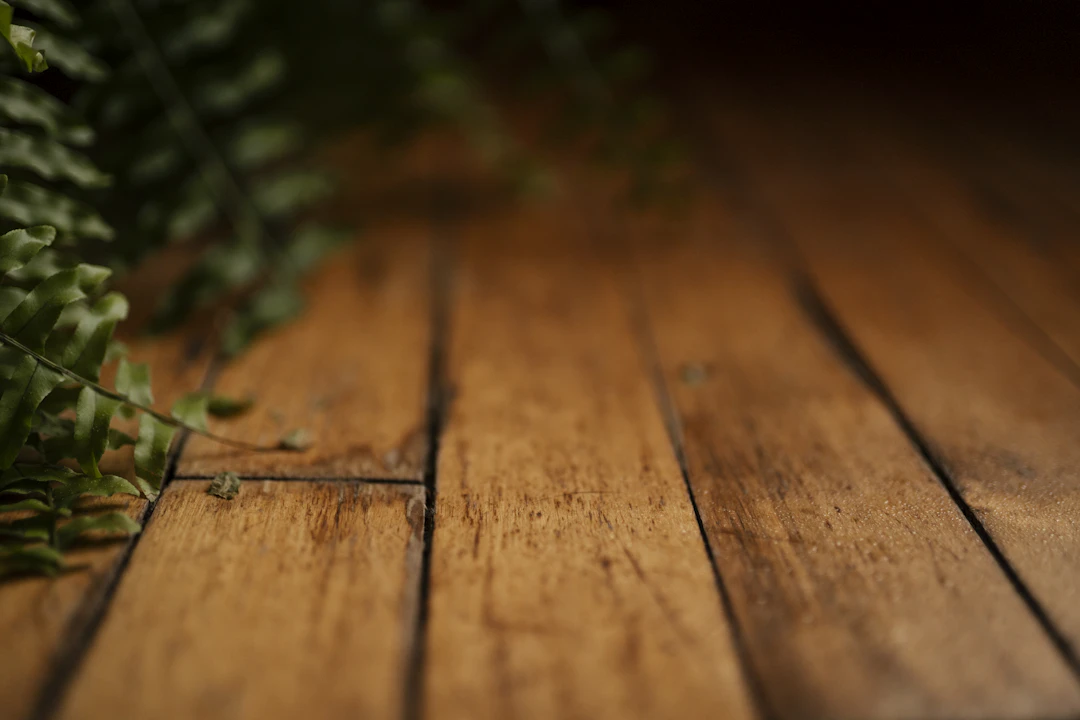
Reclaimed wood flooring is sourced from old buildings, barns, and other structures, giving new life to aged materials. Some of the benefits include:
Unique Character: Reclaimed wood has a distinct appearance, adding history and character that new wood lacks.
Low Environmental Impact: Utilizing existing wood reduces the need for new lumber and minimizes waste.
High-Quality Material: Many reclaimed woods are denser and more durable than modern alternatives.
Choosing reclaimed wood not only supports sustainability but also tells a story, as each piece has its own history and charm.
7. Linoleum Flooring: A Classic Choice
Linoleum is often confused with vinyl, but it’s actually a natural product made from linseed oil, natural resins, wood flour, and pigments. Key benefits include:
Biodegradable: Unlike synthetic materials, linoleum is 100% biodegradable, making it a prime green option.
Antimicrobial Features: Linoleum resists bacteria, mold, and mildew due to its natural properties.
Variety of Designs: Available in an array of colors and patterns, linoleum can be used to create a unique look.
This flooring choice is particularly suitable for families with children and pets due to its durable and cleanable surface.
8. Concrete Flooring: Durable and Stylish
While concrete may not be the first material that comes to mind for flooring, it can be an eco-conscious choice when polished or stained. Benefits include:
Longevity: Concrete is incredibly durable and can last a lifetime with proper care.
Low Resource Use: Using existing concrete slabs consumes fewer resources compared to new installations.
Energy Efficiency: Concrete absorbs heat during the day and releases it at night, improving energy efficiency.
Concrete can also be beautified with various stains and finishes, allowing for an industrial aesthetic that suits modern homes.
9. Carpet Made from Recycled Materials
For those who appreciate the comfort of carpet, there are eco-friendly options made from recycled materials, such as PET plastic. Benefits include:
Recycled Sources: Producing carpet from recycled plastics diverts waste from landfills.
Soft Texture: Advanced technology has allowed for carpets that are soft to the touch while still being sustainable.
Variety in Styles: Sustainable carpets come in various colors and textures, allowing homeowners to find the perfect look for any room.
Opting for recycled carpets not only adds comfort but also contributes to a healthier planet.
10. Benefits of Choosing Eco-Friendly Flooring
Now that you have a clearer picture of the various eco-friendly flooring options available, let’s summarize the numerous benefits of selecting sustainable materials:
Reduced Carbon Footprint: By choosing materials that either recycle old products or use renewable resources, you’re reducing greenhouse gas emissions.
Healthier Indoor Environment: Many eco-friendly flooring types emit fewer Volatile Organic Compounds (VOCs), improving indoor air quality.
Improved Aesthetics: Sustainable flooring options often come in a wide variety of designs that can enhance your home’s appeal.
Long-Term Value: Though some eco-friendly options may have a higher upfront cost, their durability often results in significant savings over time.
Sustainable Choices for a Better Future
Every small change contributes to a larger movement towards sustainability. By choosing eco-friendly flooring options, you are not just making a choice for your home but for the planet. With so many innovative materials available—ranging from hardwood flooring and vinyl SPC flooring to laminate flooring and bamboo—there’s no reason you can’t achieve both beauty and sustainability in your living spaces. Start your journey today toward a greener home and share your experiences with friends and family, inspiring them to make environmentally conscious choices as well.
FAQs
What are eco-friendly flooring options?
Eco-friendly flooring options include sustainable hardwood, bamboo, vinyl SPC, green laminate, cork, reclaimed wood, linoleum, concrete, and carpets made from recycled materials.
Why is sustainable hardwood flooring a good choice?
Sustainable hardwood flooring is a good choice because it comes from responsibly managed forests, is durable, and showcases unique natural beauty.
What benefits does bamboo flooring offer?
Bamboo flooring is environmentally friendly, grows quickly, is durable, and comes in various styles and finishes for customized aesthetics.
What makes vinyl SPC flooring a sustainable choice?
Vinyl SPC flooring is sustainable because it uses recycled materials, is waterproof, easy to install, and requires low maintenance.
How does cork flooring contribute to sustainability?
Cork flooring is sustainable as it is harvested from the bark of cork oak trees, provides excellent insulation, and has natural anti-allergic properties.