Decoding Flooring Installation Costs: What You Need to Know

Overview
Choosing the right flooring involves understanding various cost factors, including material, labor, and site-specific considerations. Popular options like hardwood, vinyl SPC, and laminate each have unique benefits and costs. Be mindful of hidden expenses and plan for maintenance to maximize your investment.
Contents
When it comes to upgrading or renovating your home, one of the most critical decisions you'll face is choosing the right flooring. Flooring not only affects the aesthetics of your space but also plays a significant role in functionality and comfort. However, one question often looms large in the minds of homeowners: "What are the cost factors in flooring installation?" This blog aims to delve into various elements that impact flooring installation costs, focusing on popular options like hardwood flooring, vinyl SPC flooring, and laminate flooring.
Understanding the Basics of Flooring Installation Costs
Before diving into specific flooring types, it’s essential to understand what contributes to the overall cost of flooring installation. Various factors come into play, and they can significantly vary based on your project's unique requirements. These factors include:
Material Costs: The type of flooring you choose will significantly affect the price. Hardwood flooring often comes at a premium, while laminate flooring and vinyl SPC flooring can offer more budget-friendly options.
Labor Costs: The complexity of the installation process can influence labor costs. Some flooring types may require specialized skills.
Site Preparation: The condition of the subfloor and any necessary preparations can add to the cost.
Location: Geographical differences can influence material and labor costs.
Additional Features: Consider any extras, like underlayment or flooring transitions, which may add to total expenses.
The Impact of Material Selection
Choosing the right material is one of the most pivotal decisions you'll make. Each flooring type comes with its own set of benefits and costs. Let's take a closer look at three popular choices – hardwood flooring, vinyl SPC flooring, and laminate flooring.
Hardwood Flooring
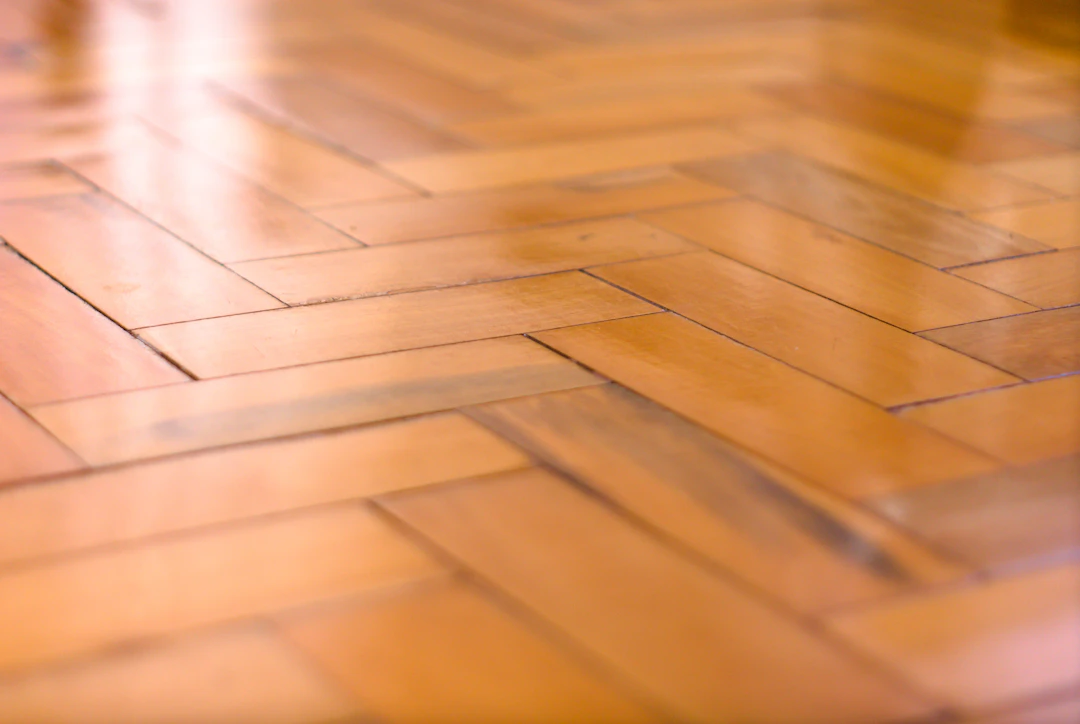
Hardwood flooring is often considered the gold standard in flooring options. Its timeless beauty, durability, and ability to increase property value make it a sought-after choice. However, the costs associated with hardwood flooring can be substantial. Here are some cost-related factors to consider:
Material Price: High-quality hardwood species can be quite expensive. The more exotic the wood, the higher the price.
Installation Complexity: Installing hardwood may involve intricate techniques, requiring experienced installers, which can drive up labor costs.
Maintenance: While hardwood can last for decades, it does require regular maintenance to avoid scratches and wear.
Ultimately, while hardwood flooring is a long-term investment, the upfront costs can be significant. It’s essential to weigh these costs against the benefits of aesthetics and durability.
Vinyl SPC Flooring
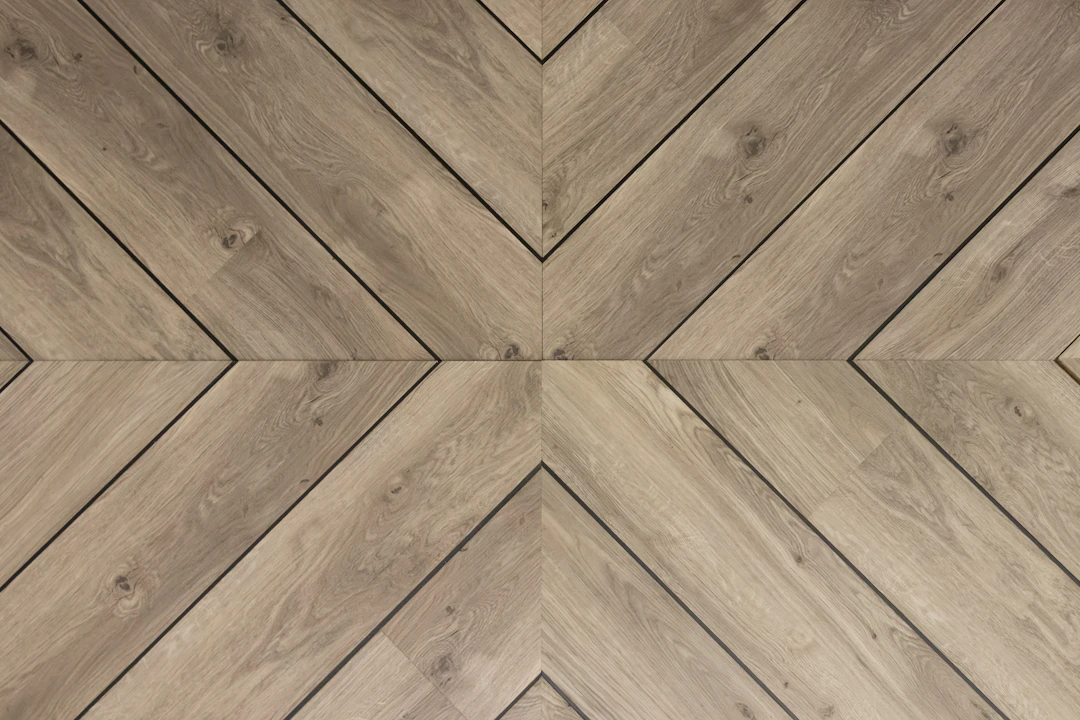
Vinyl SPC flooring is gaining popularity in contemporary homes due to its affordability and versatility. SPC stands for Stone Plastic Composite, which adds to its stability and durability. Here’s what you should consider regarding the costs of vinyl SPC flooring:
Material Cost: Vinyl SPC is generally more cost-effective than hardwood, making it an appealing alternative.
Installation Ease: Many vinyl SPC products offer a DIY-friendly installation process, which can save you significant labor costs.
Durability and Maintenance Savings: With its water-resistant features, vinyl SPC flooring often requires less maintenance than hardwood.
Overall, if you're looking for an affordable yet stylish option, vinyl SPC flooring may be the ideal choice with its lower associated costs.
Laminate Flooring
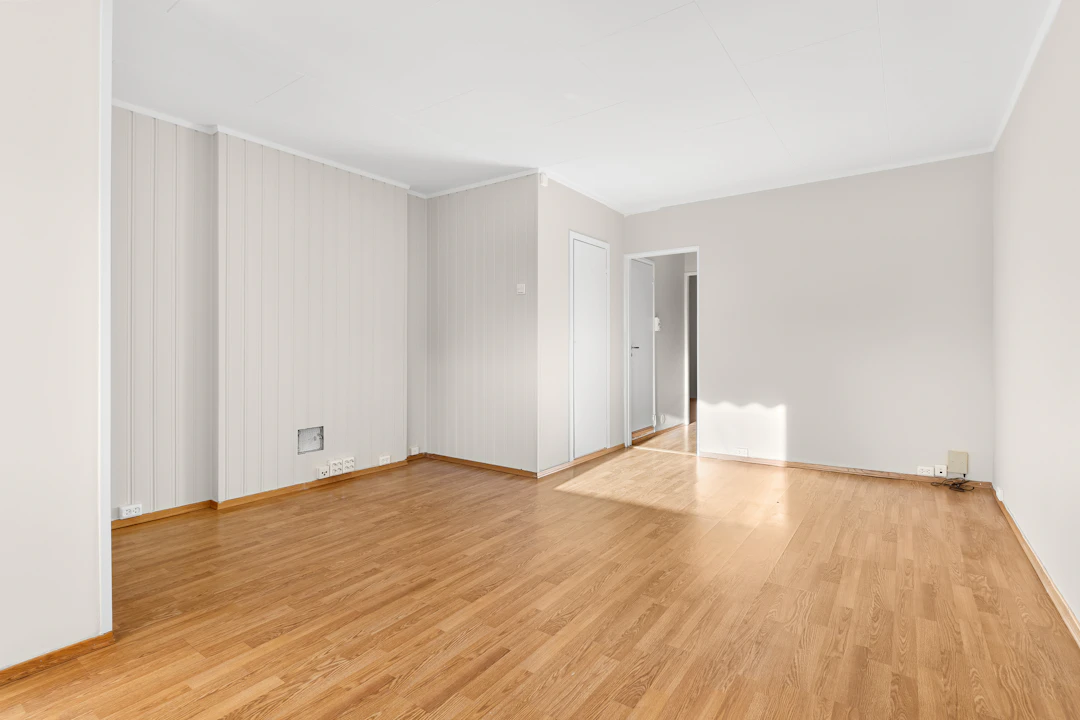
Another cost-effective choice is laminate flooring, which mimics the look of hardwood but at a fraction of the price. However, there are numerous cost factors associated with laminate flooring that you should be aware of:
Budget-Friendly Material: Laminate flooring is one of the most affordable flooring options available on the market.
Ease of Installation: Like vinyl SPC, laminate flooring often features click-lock technology, encouraging DIY homeowners to take on the installation themselves.
Durability vs. Longevity: While laminate can resist scratches and dents effectively, it doesn’t provide the same lifespan as hardwood flooring.
Laminate flooring offers a budget-savvy alternative, providing aesthetic value without breaking the bank.
Site-Specific Considerations
The condition of the installation site can also heavily impact costs. Here are a few site-specific factors that can add to your flooring expenses:
Subfloor Condition: If your subfloor is uneven or damaged, it may require leveling or repairs before installation, adding to labor and materials costs.
Environmental Conditions: The climate of your location can influence the choice of flooring materials, especially when it comes to humidity and temperature fluctuations.
Room Size: Larger spaces will require more flooring material, hence more significant costs. However, smaller areas may have a higher cost per square foot due to fixed installation fees.
Exploring Labor Costs
Labor costs can significantly vary depending on your location and the skill level of the contractors. Here are some tips for assessing labor costs:
Get Multiple Quotes: It's always wise to seek quotes from different installers to understand the average labor costs in your area.
Experience Matters: While opting for cheaper labor may seem appealing, remember that experienced installers can save you from potential issues in the future.
Complexity of Installation: More intricate installations will naturally incur higher labor costs.
Taking the time to research and compare labor costs before your project starts can help ensure you stay within budget.
Hidden Costs You Shouldn’t Overlook
While material and labor costs are the most recognized expenses, several hidden costs can emerge during flooring installation:
Underlayment: Many flooring types, including laminate and vinyl SPC, require underlayment for added comfort and soundproofing.
Transitions and Trim: Don’t forget to factor in the cost of transitions and baseboards to ensure your new flooring looks seamless.
Furniture Moving: Depending on your project, furniture moving may require additional costs, especially if professional movers are needed.
Potential Upgrades: During the installation process, you may find the need to upgrade your flooring choice or add features that can inflate your final bill.
Being ready for unexpected costs can help prevent surprises and budget overages later on.
Maximizing Your Flooring Investment
Investing in new flooring is a long-term commitment. To ensure you are making the most out of your investment, consider these practical tips:
Shop Around: Select your materials from various suppliers to find the best price and quality balance.
Think About Resale Value: If you're planning to sell your home in the future, consider flooring types that attract potential buyers, such as hardwood flooring.
Regular Maintenance: Proper care and maintenance will prolong the life of your flooring, saving you money in the long run.
Stay Informed: Keep up with flooring trends and materials that enhance your home's value and aesthetic appeal.
Your Flooring Journey Starts Here!
Deciding on the right flooring for your space involves careful consideration of several cost factors, from materials to installation and beyond. Whether you choose luxurious hardwood flooring, cost-effective vinyl SPC flooring, or versatile laminate flooring, understanding how cost factors contribute to the overall project is crucial for making the best choice. By educating yourself about these elements, comparing options, and planning accordingly, you can transform your space into a haven without breaking the bank.
Remember, the right flooring can elevate your home’s appeal while also capturing the essence of your style. Dive deeper into your options, explore your budget, and take the first step towards the stunning transformation your home deserves!
FAQs
What are the main cost factors in flooring installation?
The main cost factors in flooring installation include material costs, labor costs, site preparation, location, and additional features like underlayment or transitions.
How does material choice impact flooring installation costs?
Material choice significantly impacts costs, with hardwood being more expensive compared to budget-friendly options like vinyl SPC and laminate.
What influences labor costs for flooring installation?
Labor costs can be influenced by the complexity of the installation, the skill level of the contractors, and geographical location.
Are there hidden costs to consider when installing flooring?
Yes, hidden costs may include underlayment, transitions, furniture moving, and potential upgrades during the installation process.
How can I maximize my flooring investment?
To maximize your flooring investment, shop around for materials, consider resale value, maintain your flooring regularly, and stay informed about flooring trends.