Conquering Flooring Installation Challenges: Your Ultimate Guide

Overview
Installing new flooring can enhance your home but comes with challenges. Key considerations include understanding flooring types (hardwood, vinyl SPC, laminate), ensuring accurate measurements, prepping your subfloor, and using the right installation techniques. Professional help can ease the process and prevent costly mistakes, while proper preparation and care can maximize the longevity of your floors.
Contents
Installing new flooring can transform the look and feel of your home, but the process can present challenges, whether you’re opting for hardwood flooring, vinyl SPC flooring, or laminate flooring. Understanding how to handle common issues will ensure a smooth installation process and maximize the longevity of your new floors.
Understanding Flooring Types
Before diving into installation challenges, it’s essential to understand the different types of flooring materials available, as each comes with its own installation intricacies.
Hardwood Flooring: Known for its timeless elegance, hardwood flooring requires careful acclimation and precise installation to prevent warping or cracking.
Vinyl SPC Flooring: This popular choice is praised for its durability and resistance to moisture, but improper installation techniques can lead to issues such as buckling.
Laminate Flooring: An affordable alternative, laminate flooring is relatively simple to install, but it can also suffer from expansion and contraction if not handled correctly.
Common Challenges in Flooring Installation
Whether you are a DIY enthusiast or hiring a professional, there are common challenges in flooring installation that you should be aware of:
1. Inaccurate Measurements
Getting the measurements right is crucial to avoid cutting and replacing materials. Always double-check your measurements and consider using a professional guide to ensure accuracy.
2. Subfloor Issues
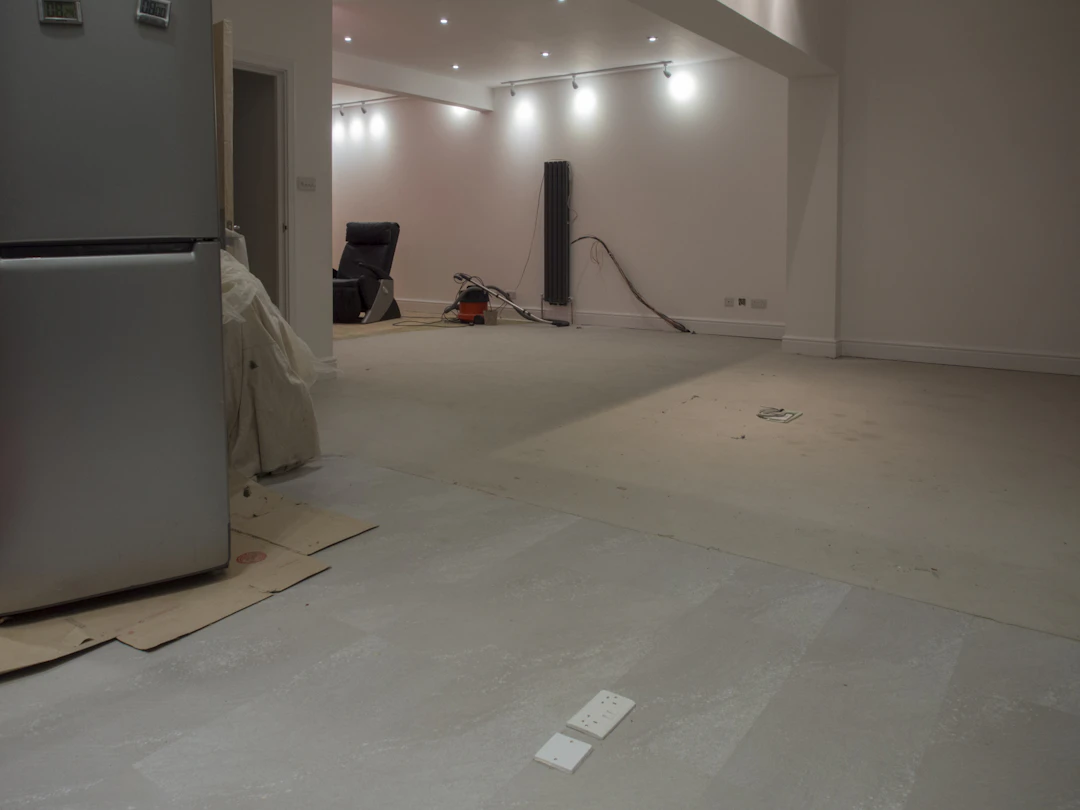
Your subfloor must be clean, dry, and level before starting the installation. Uneven subfloors can lead to all sorts of problems down the line, from uneven surfaces to premature wear of the flooring material. Inspect your subfloor thoroughly and make any necessary repairs.
3. Acclimation of Materials
For hardwood and some laminate flooring, it's vital to acclimate the materials. Bringing the flooring into your home and allowing it to sit for 48-72 hours can prevent warping. Failure to do so can result in unwanted gaps or crowning.
4. Installation Technique
Understanding the installation technique appropriate for your flooring type is paramount. For instance, hardwood flooring often requires nailing, while vinyl SPC and laminate can often use a floating installation method. Proper technique can make a difference in how your floors perform.
The Importance of Professional Help
Many challenges in flooring installation can be mitigated by employing professionals. Hiring experienced installers not only saves you time and frustration but can also ensure that your flooring is installed correctly. For insights on the benefits of professional services, check out this article.
Preparation for Flooring Installation
Proper preparation can significantly reduce the likelihood of facing challenges during install day. Here are some essential steps:
Remove Old Flooring: Clear your space of furniture and any old flooring material. This can take longer than anticipated, so allow yourself sufficient time.
Check Moisture Levels: Especially with hardwood and vinyl flooring, it’s critical to check moisture levels in your subfloor or basement. Use a moisture meter for accurate readings.
Gather the Right Tools: Ensure you have all necessary tools on hand, such as saws, spacers, hammers, and pry bars. Refer to helpful guides like this one to ensure you're well-equipped.
Addressing Specific Installation Challenges
Let’s delve deeper into some specific challenges and how to address them effectively:
1. Dealing with Uneven Surfaces
If your subfloor is uneven, it’s crucial to fix it before laying down your new flooring. Options include using a self-leveling compound or even sanding down high spots. Failing to address this will lead to floors that creak, warp, or wear out too soon.
2. Managing Temperature and Humidity
Wood expands and contracts with changes in temperature and humidity, so ensure your installation space is climate-controlled before and during the installation. Additionally, avoid installing flooring during extreme humidity or temperature changes.
3. Installation in High Traffic Areas
If your flooring will be placed in high-traffic areas, look for durable options like vinyl SPC flooring. Additionally, consider using area rugs and mats to help protect against excessive wear. This will help maintain the longevity and appearance of your flooring.
DIY vs. Professional Installation: Making the Right Choice
This is a common dilemma for many homeowners. While DIY flooring installation can save money, it often ends up costing more in the long run if mistakes are made. On the other hand, hiring a professional can provide peace of mind and guarantee quality installation. Evaluate your skill level and the complexity of your flooring choice before making a decision. For more insights on this topic, visit this guide.
Finishing Touches
Once the installation is complete, there are a few finishing touches to consider:
Baseboards and Trim: Adding baseboards and transition strips helps not only in aesthetics but can also protect the edges of your new flooring.
Cleaning Up the Site: Before moving furniture back, ensure the site is clean and free of debris to prevent scratches and damage to your new floors.
Care Instructions: Familiarize yourself with maintenance routines. Investing in flooring care products, such as detailed care instructions for maintaining your flooring, can prolong the life of your investment. You can find more information on products that help with flooring care here.
Your Path to Beautiful Floors
Installing new flooring can be a daunting task, but by being informed and prepared, you can overcome the challenges that arise during the process. Whether you choose hardwood flooring, vinyl SPC flooring, or laminate flooring, understanding preparation, common issues, and the benefits of professional help can lead to a successful installation. Keep in mind the importance of proper care; it’s all part of ensuring your beautiful new floors stand the test of time.
If you're still unsure, consider seeking expert assistance or investing in comprehensive details to assist in flooring installation. Find more about this product here. Empower yourself with knowledge, and revel in the beauty of your new flooring!
Explore these helpful products for your flooring needs. I'm a product and I'm a product.
Related Products
I'm a product - C$85.00 - I'm a product description. I'm a great place to add more details about your product such as sizing, material, care instructions and cleaning instruct...
I'm a product - C$130.00 - I'm a product description. I'm a great place to add more details about your product such as sizing, material, care instructions and cleaning instruct...
I'm a product - C$15.00 - I'm a product description. I'm a great place to add more details about your product such as sizing, material, care instructions and cleaning instruct...
FAQs
What are the different types of flooring materials discussed in the blog?
The blog discusses hardwood flooring, vinyl SPC flooring, and laminate flooring.
What is the importance of accurate measurements in flooring installation?
Accurate measurements are crucial to avoid cutting and replacing materials, which can lead to additional costs and wasted time.
How can I prepare my subfloor before installing new flooring?
Ensure your subfloor is clean, dry, and level. Inspect it thoroughly and make any necessary repairs.
Should I acclimate my flooring materials before installation?
Yes, especially for hardwood and some laminate flooring, as acclimating helps prevent warping and unwanted gaps.
Is it better to hire professionals or attempt DIY flooring installation?
While DIY can save money, hiring professionals can provide peace of mind and ensure quality installation, potentially saving you from costly mistakes.